WATCH THE Film ▸

.jpg)
A city once synonymous with the world's most dangerous cartel is now recognised as one of Latin America's most remarkable urban transformations. The past here isn't hidden; it's been painted over, built on, and reclaimed, street by street.

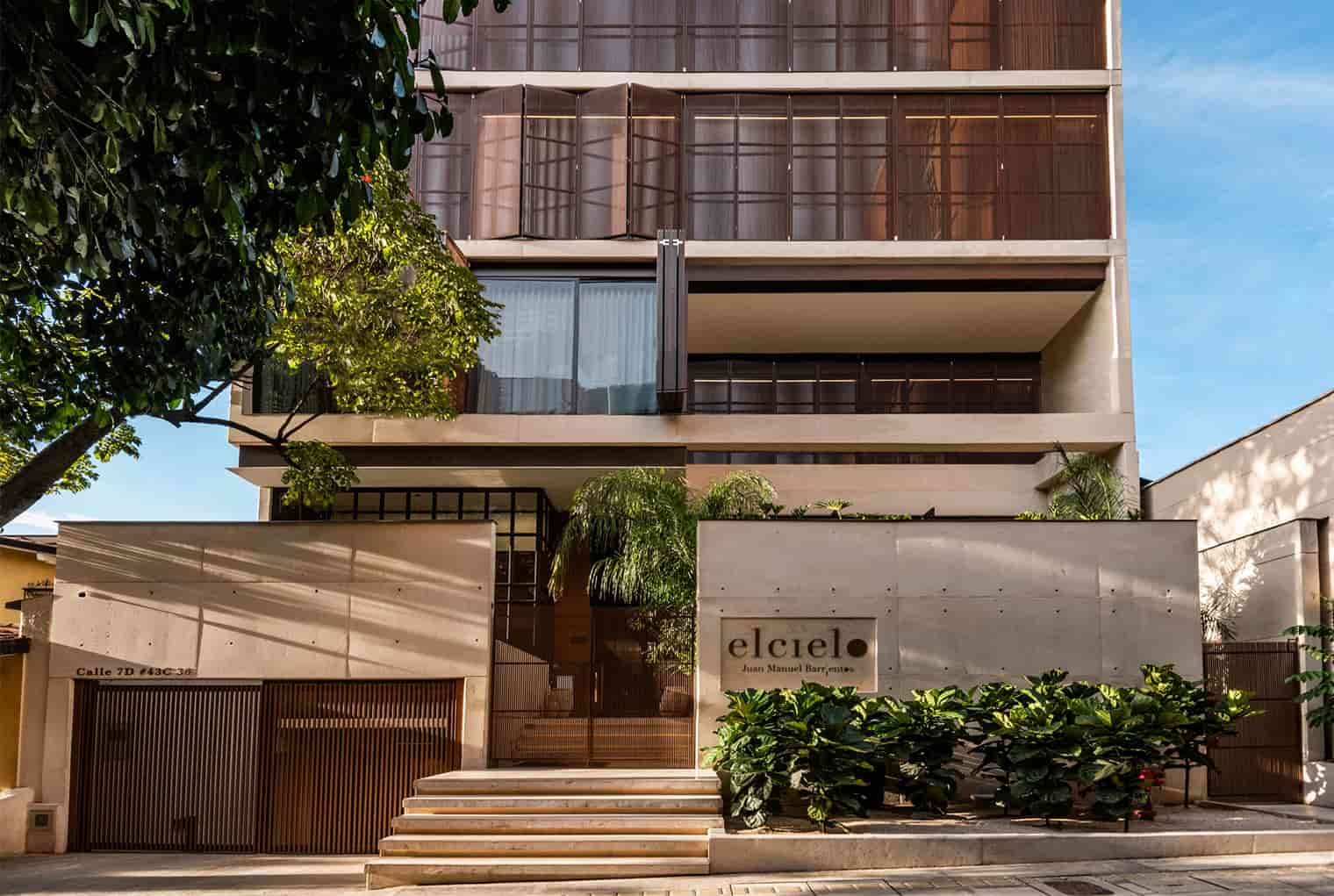
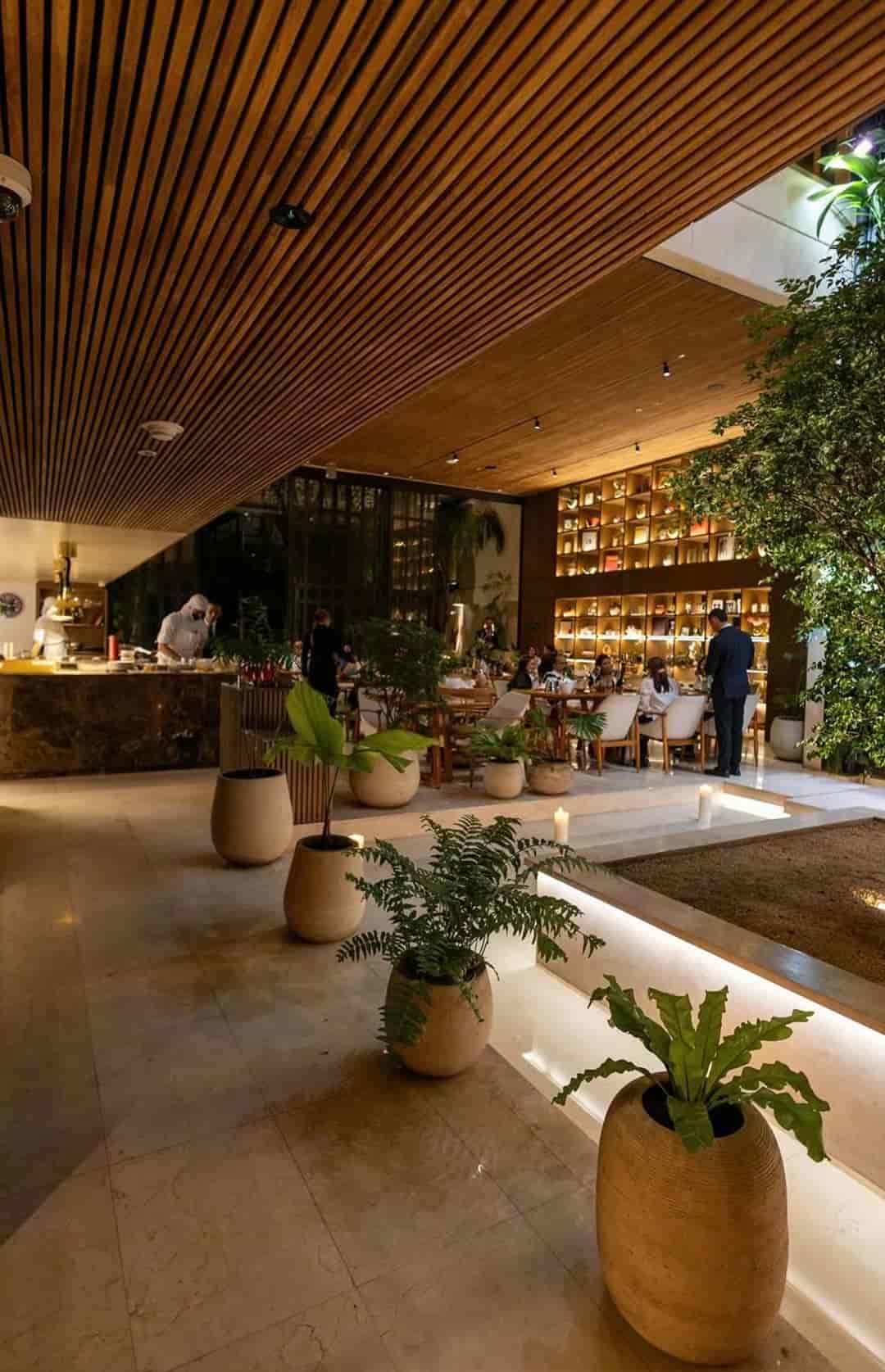
A contemporary boutique hotel in El Poblado, designed around sensory experience. Through every detail, El Cielo reflects Medellín's hard-won creative confidence — from its rooftop pool and vertical walled gardens, to its acclaimed restaurant, which ranks among Colombia's most
celebrated.
.jpg)
Medellín's cable car network was built not for tourists but to connect isolated hillside communities to the rest of the city. It is the world's first urban cable car system designed as a social intervention. From above, the scale of both the city's geography and its reinvention becomes immediately clear.
.jpg)
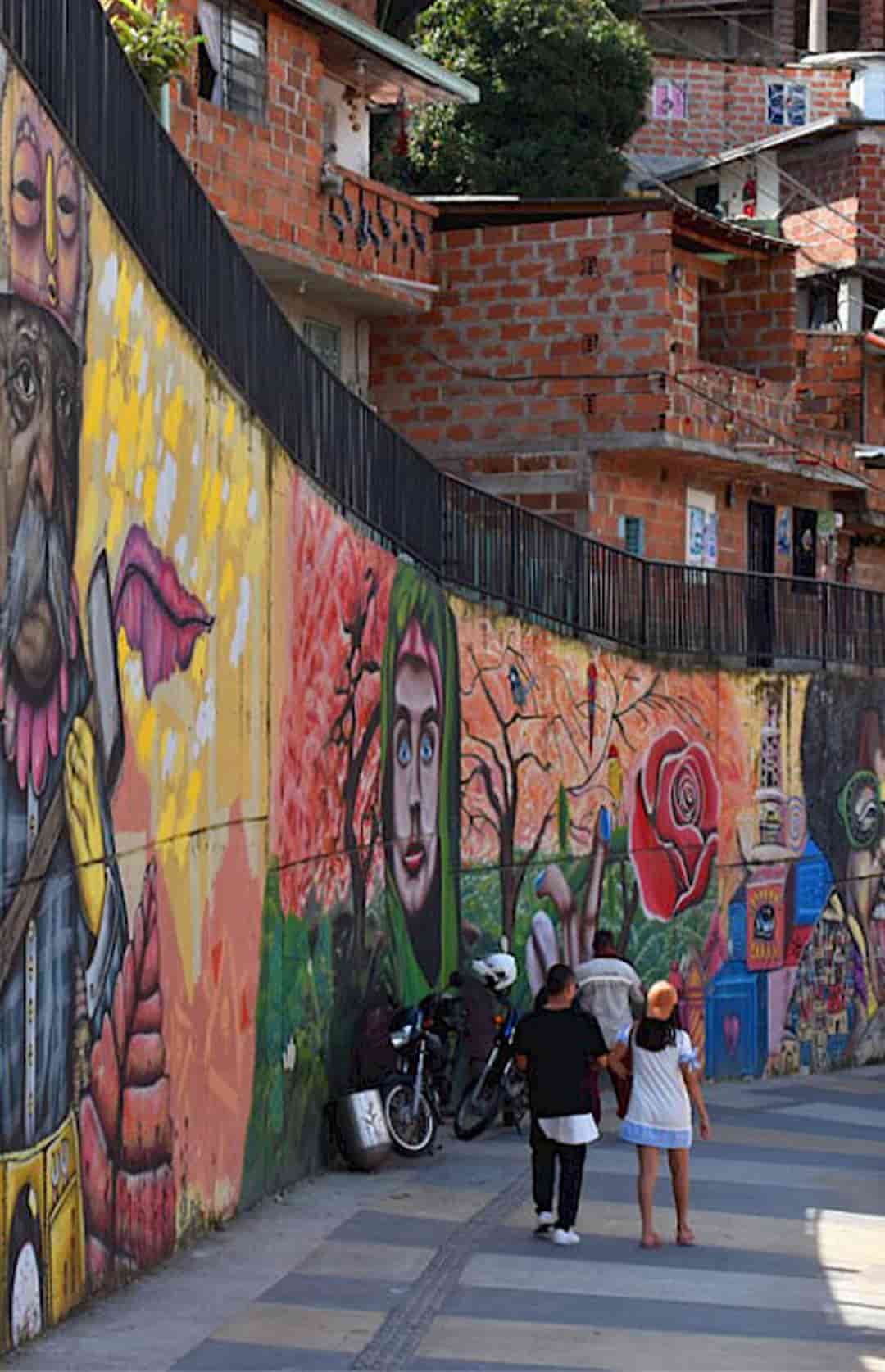
There is no better place to understand Medellín's history than from the Colombians who lived it. Surrounded by graffiti, music, and hillside homes, the Comunas tell the story of a city that pulled itself back from the edge through art, education, and collective pride. You will safely experience this neighbourhood that was once the epicentre of Escobar's empire.
.jpg)
Colombia produces some of the world's most complex coffee, and Medellín sits at the edge
of the Zona Cafetera. Step inside a working roastery where the air is thick with the smell of
freshly cracked beans — guided by an expert who walks you through origin, process, and
flavour, from cherry to cup.
.jpg)
.jpg)
This is the heart of Colombia, where the Andes fracture into three separate mountain ranges — it is also the resting place of the largest necropolis in the Americas. Here, we unearth statues that are the only remaining vestige of a civilisation that left no written language and then disappeared almost without a trace.
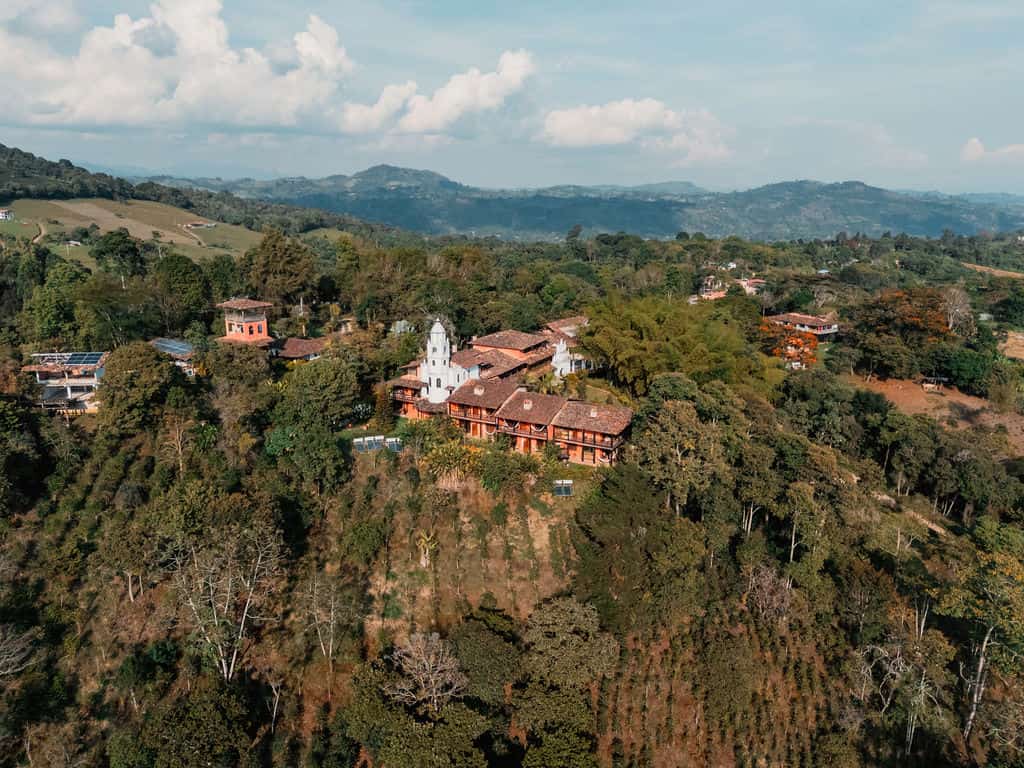
A quiet retreat rooted in the mountain landscape, surrounded by history and the sound of the rivers below. Simple, warm and grounded. A night here allows you to let the magic of San Augustín settle in properly. The hotel sits close enough to the archaeological sites to feel connected to them, and far enough from anywhere else to feel genuinely removed from the world.
.jpg)
.jpg)
An encounter with a local weaver whose techniques and patterns have been passed through generations that predate the Spanish arrival. On a hilltop that has a timeless, grounding energy, each weave is deeply symbolic, and you can create your own under her expert tutelage.
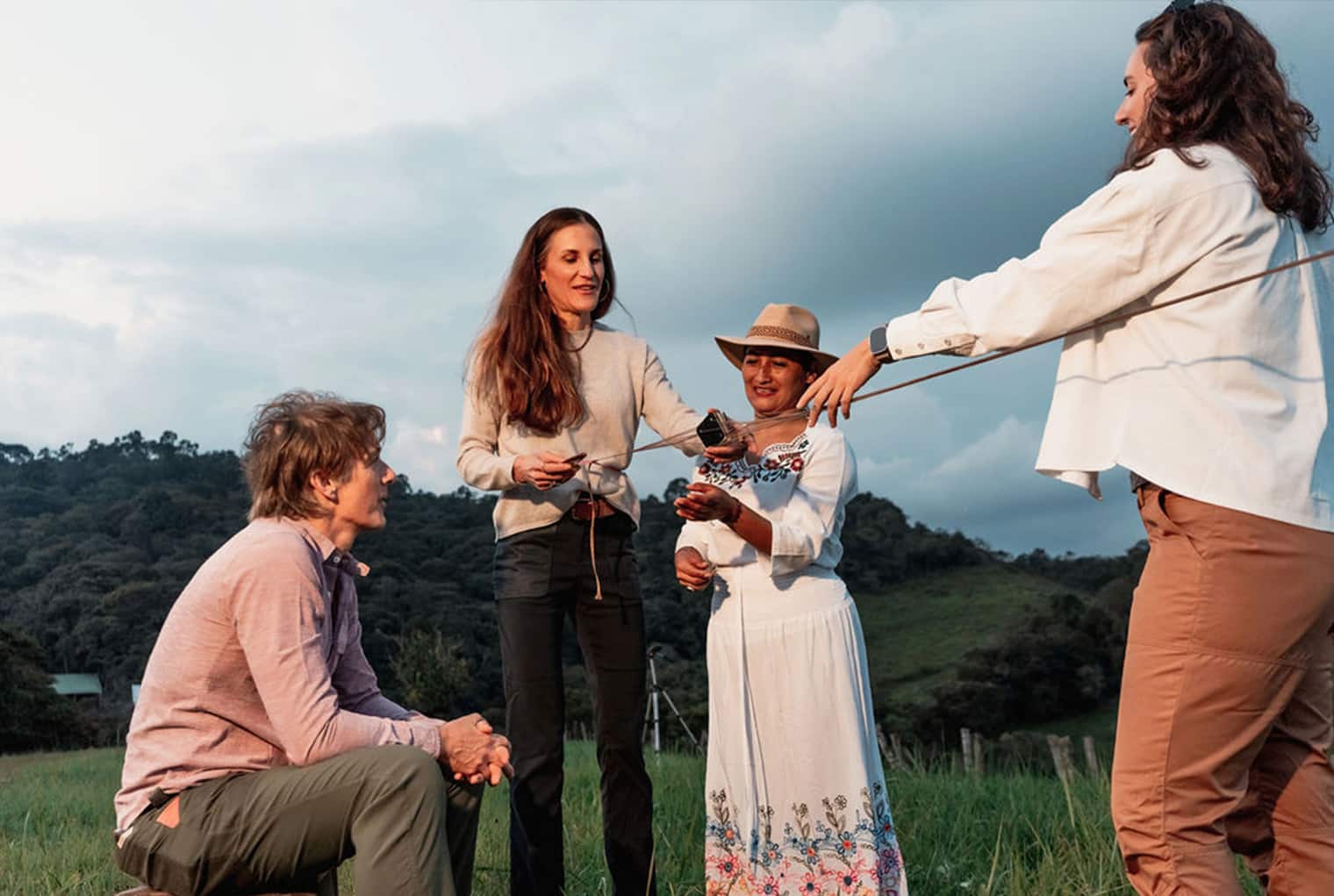
San Agustín remains an active centre of deep spiritual significance. We are witnesses to and part of an authentic ceremony from a shaman whose lineage goes back for generations. Part of the cosmological traditions that the sculptures themselves embody, the moment of the shamanic blessing is profound — setting the tone for what lies ahead.
.jpg)
A slow walk through the jungle, past carved La Pelota statues that guard burial mounds. They are the boundary between the living and the world that lies beyond. The figures are imposing, strange, and deliberately placed, while the civilisation that carved them remains one of archaeology's great unanswered questions.
.jpg)

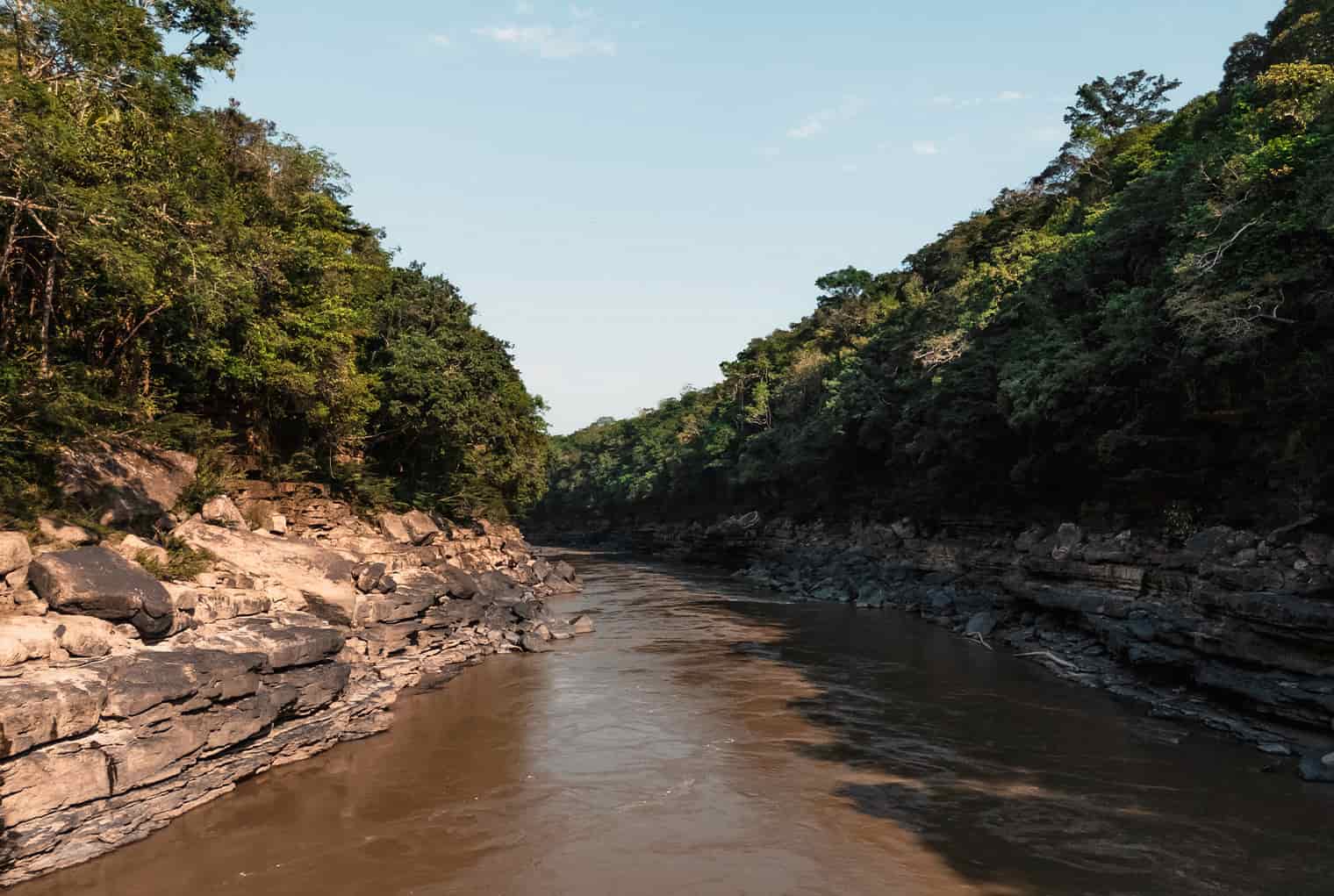
For years, this whole region of Colombia was run by militia, sealed off from the outside world as drugs and violence abounded. Vast ecosystems remained entirely untouched and wild, and we venture into one of its most spectacular secrets: the River of the Five Colours.
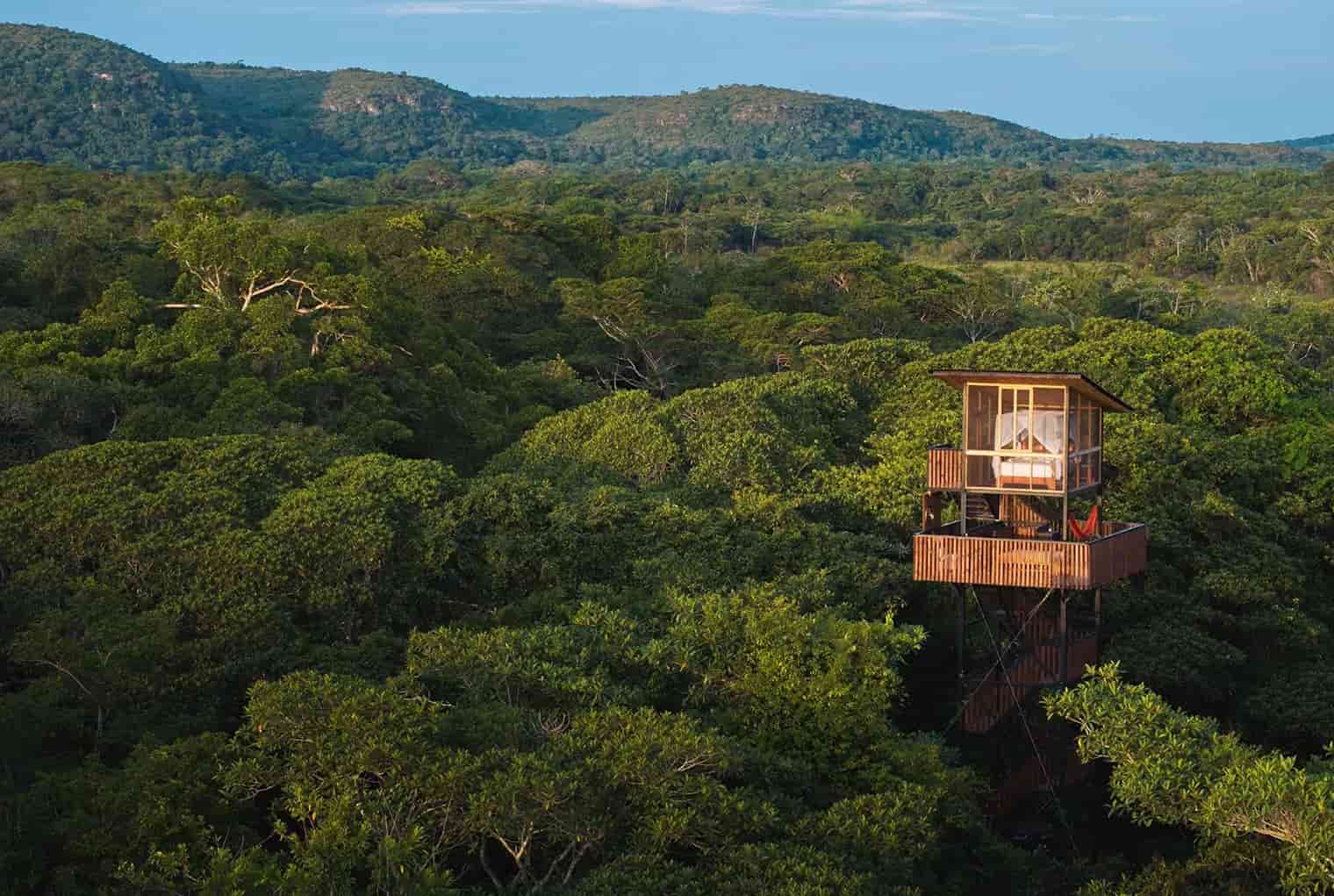
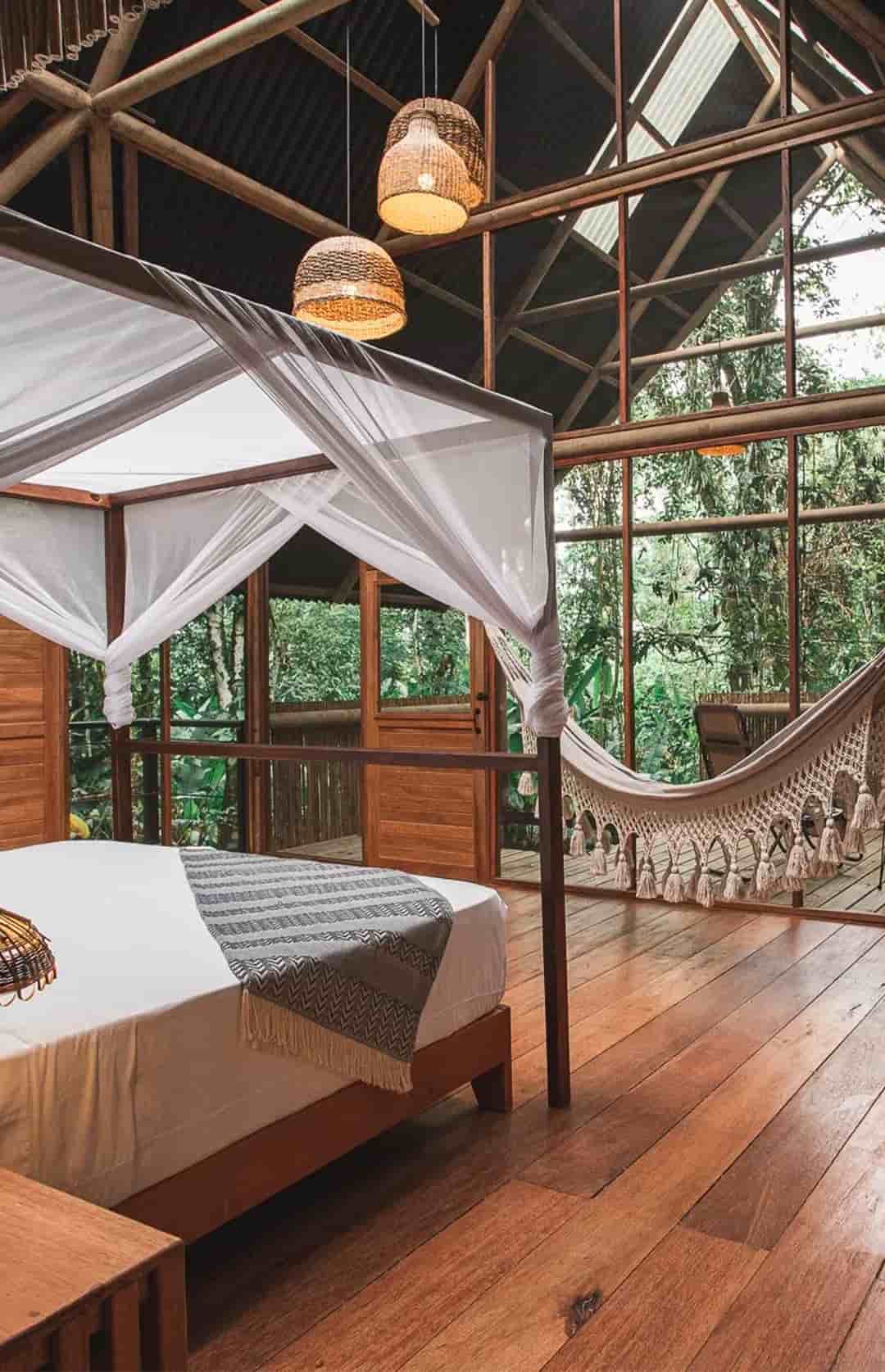
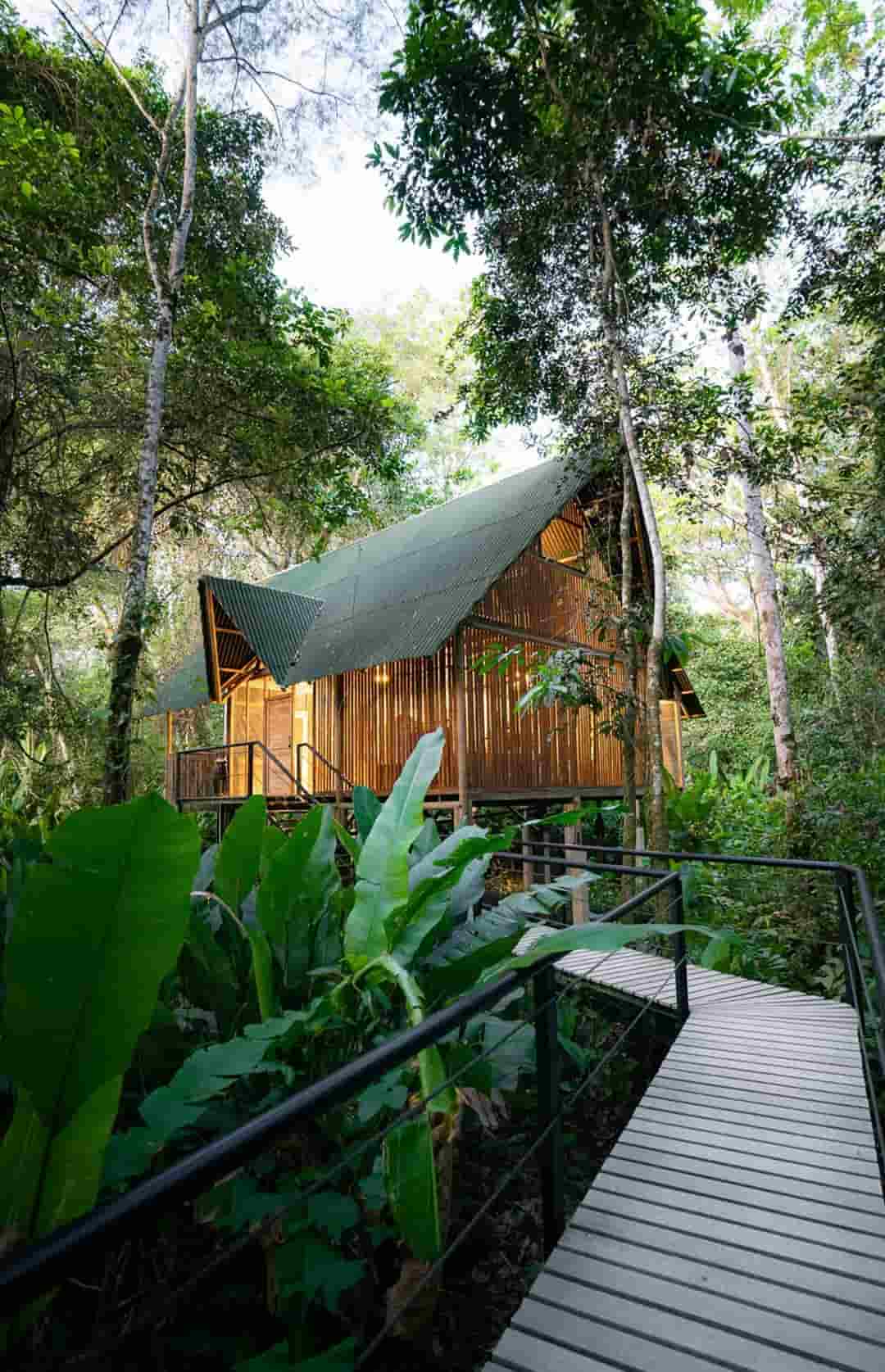
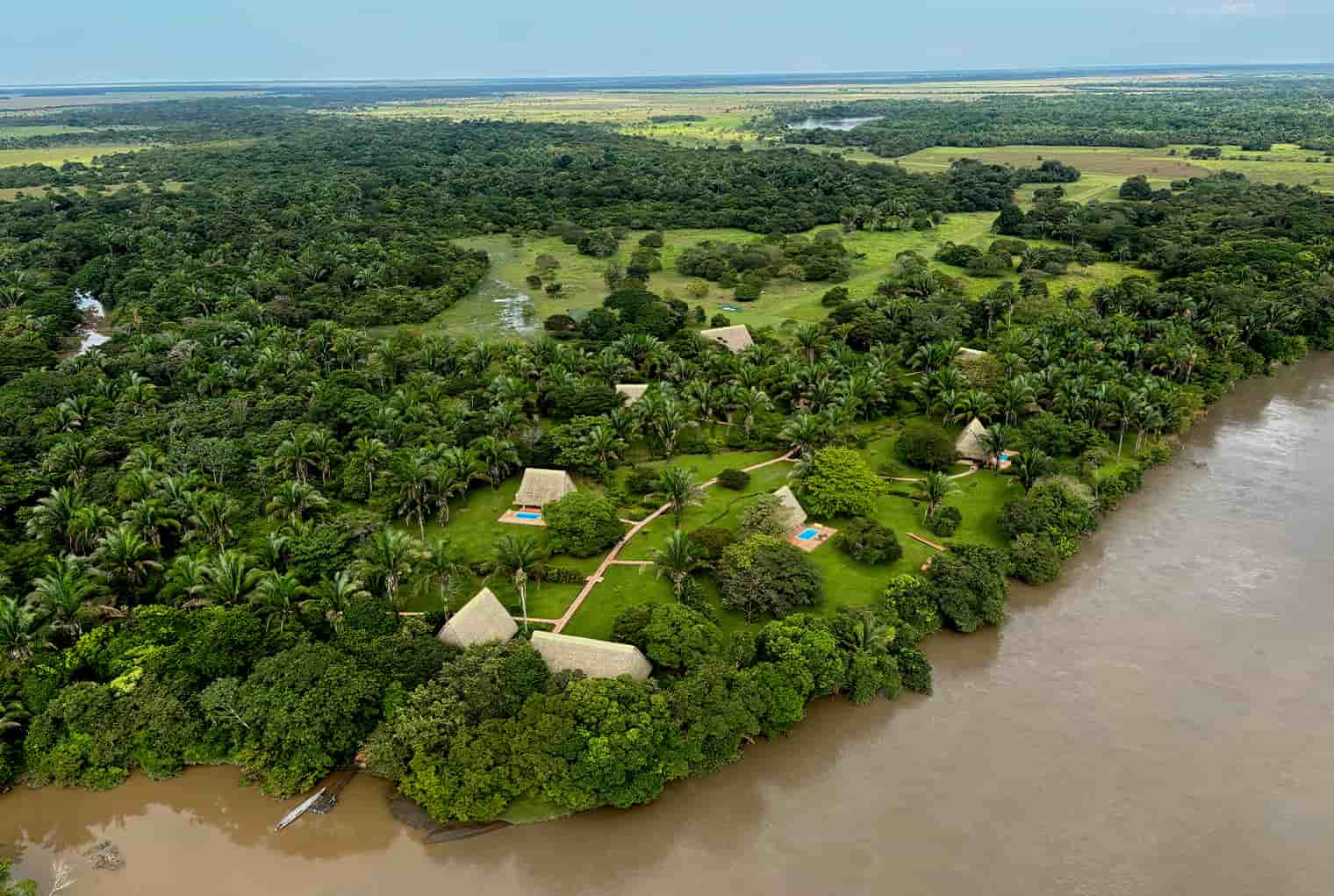
Deep in the jungle, high on the banks of a fast-flowing river. Everything about the lodge is immersive and close to nature. The sounds at night are extraordinary. This is not a resort; it is a comfortable base from which the jungle can be explored.
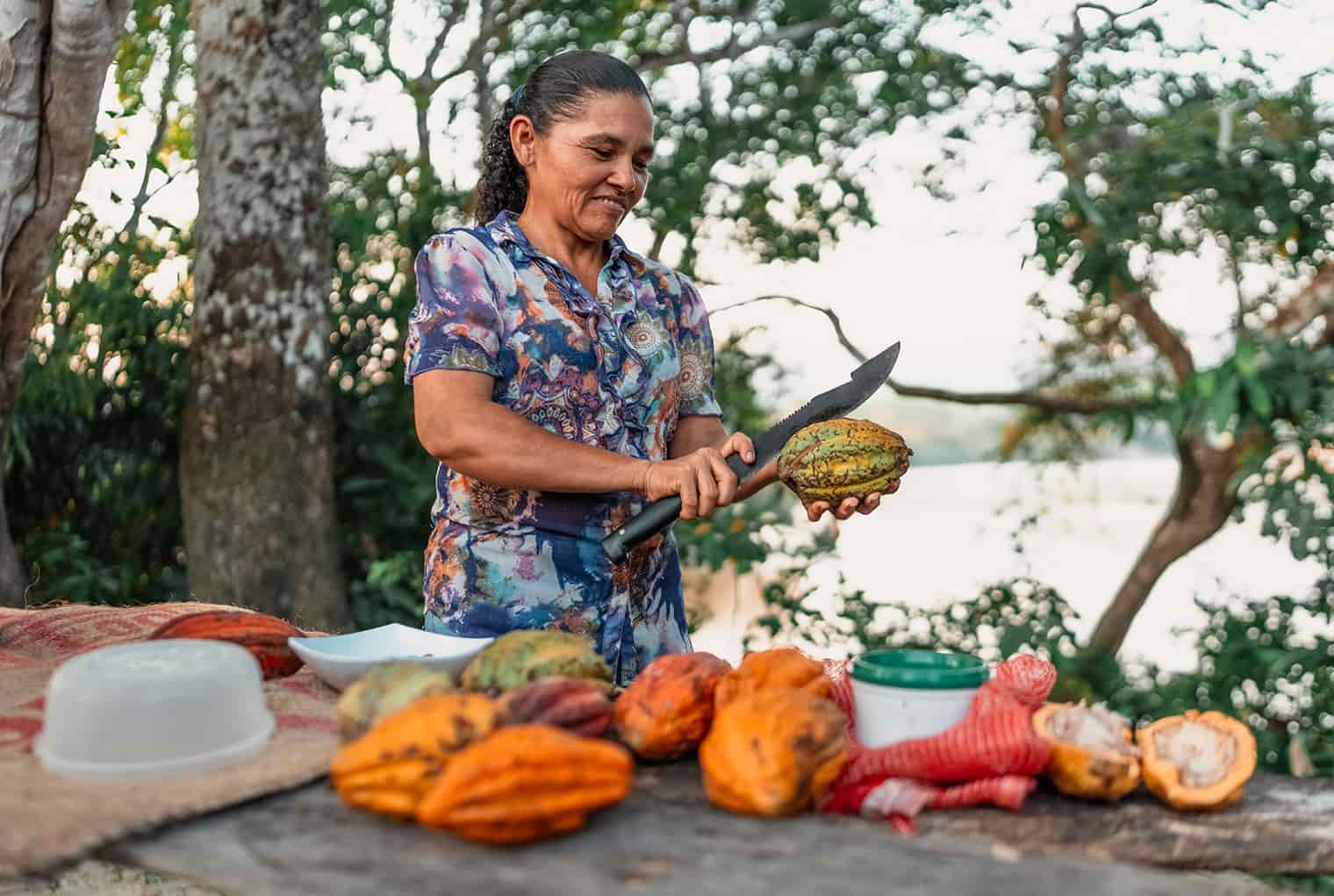
The wonderful world of chocolate all originates from a single source. We harvest our own cacao, understanding the time-honoured process and its surprising wellness benefits.
This is one of the most extraordinary natural phenomena on Earth. The river glows red, gold, and green from the endemic plant algae — Macarenia clavigera — an aquatic species found nowhere else on earth whose flowers only bloom when the water temperature and light conditions align perfectly. The 9km hike follows clear natural pools, ancient rock formations, and cave art to the main stretch of colour.
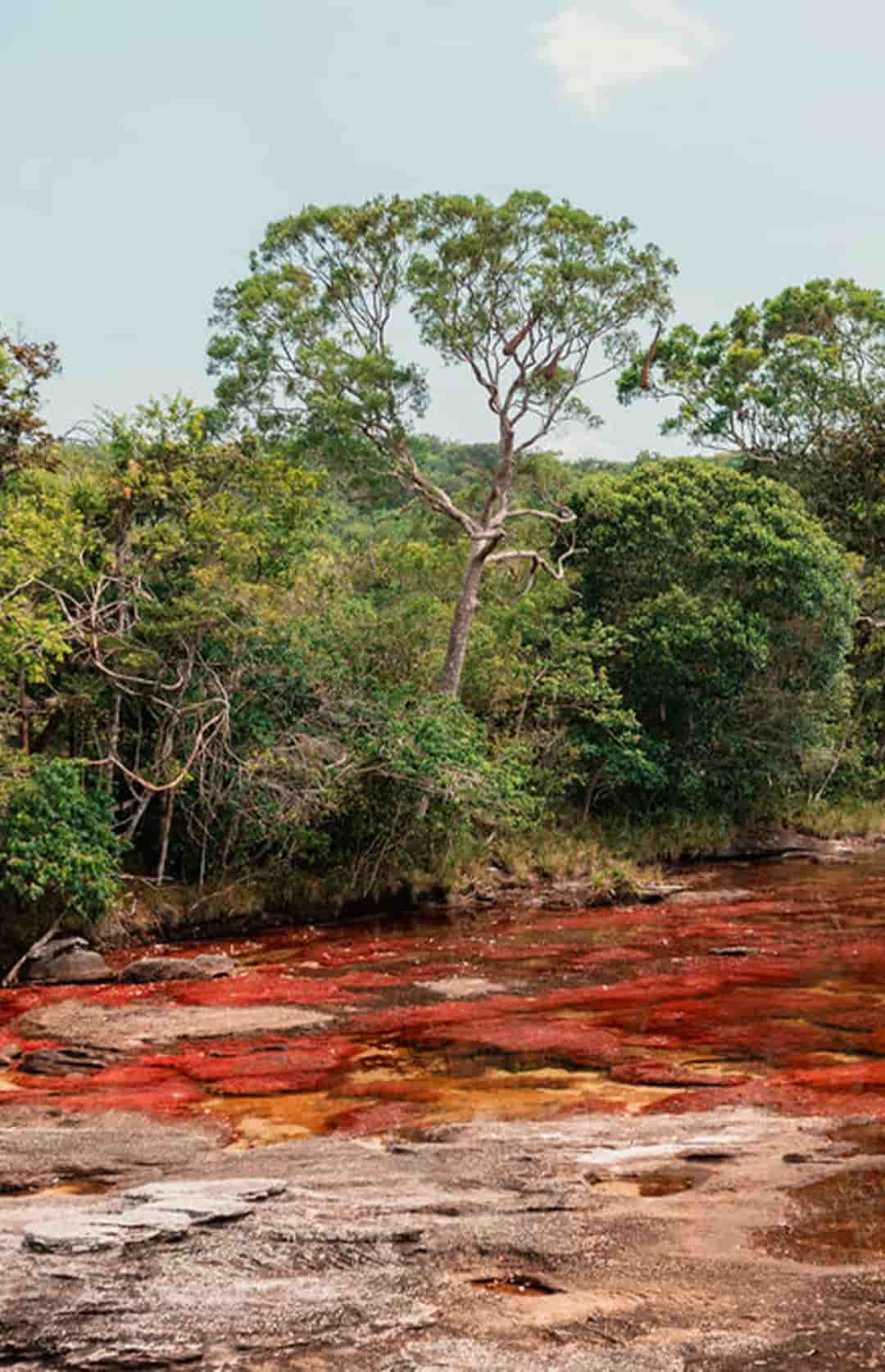
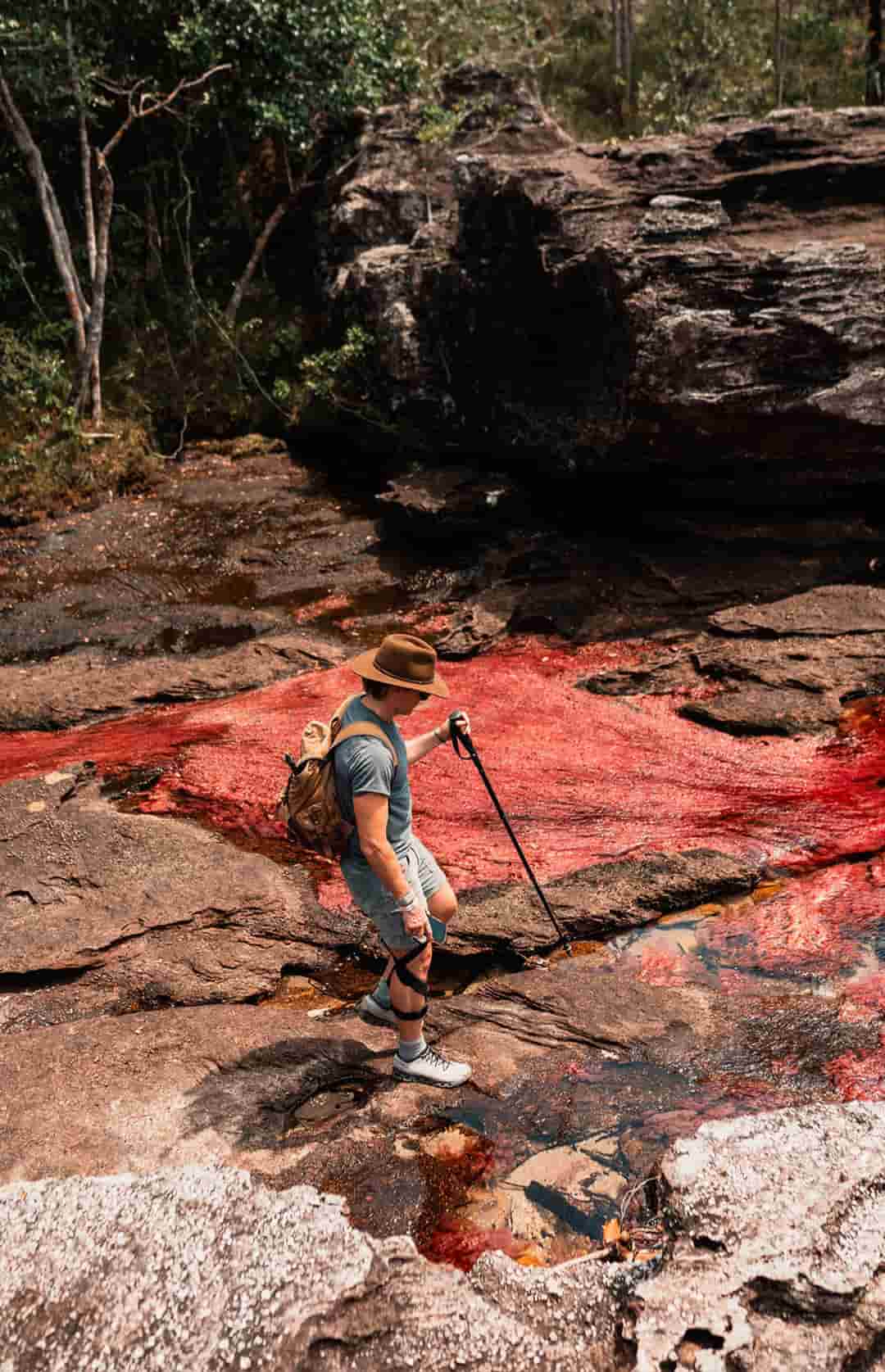
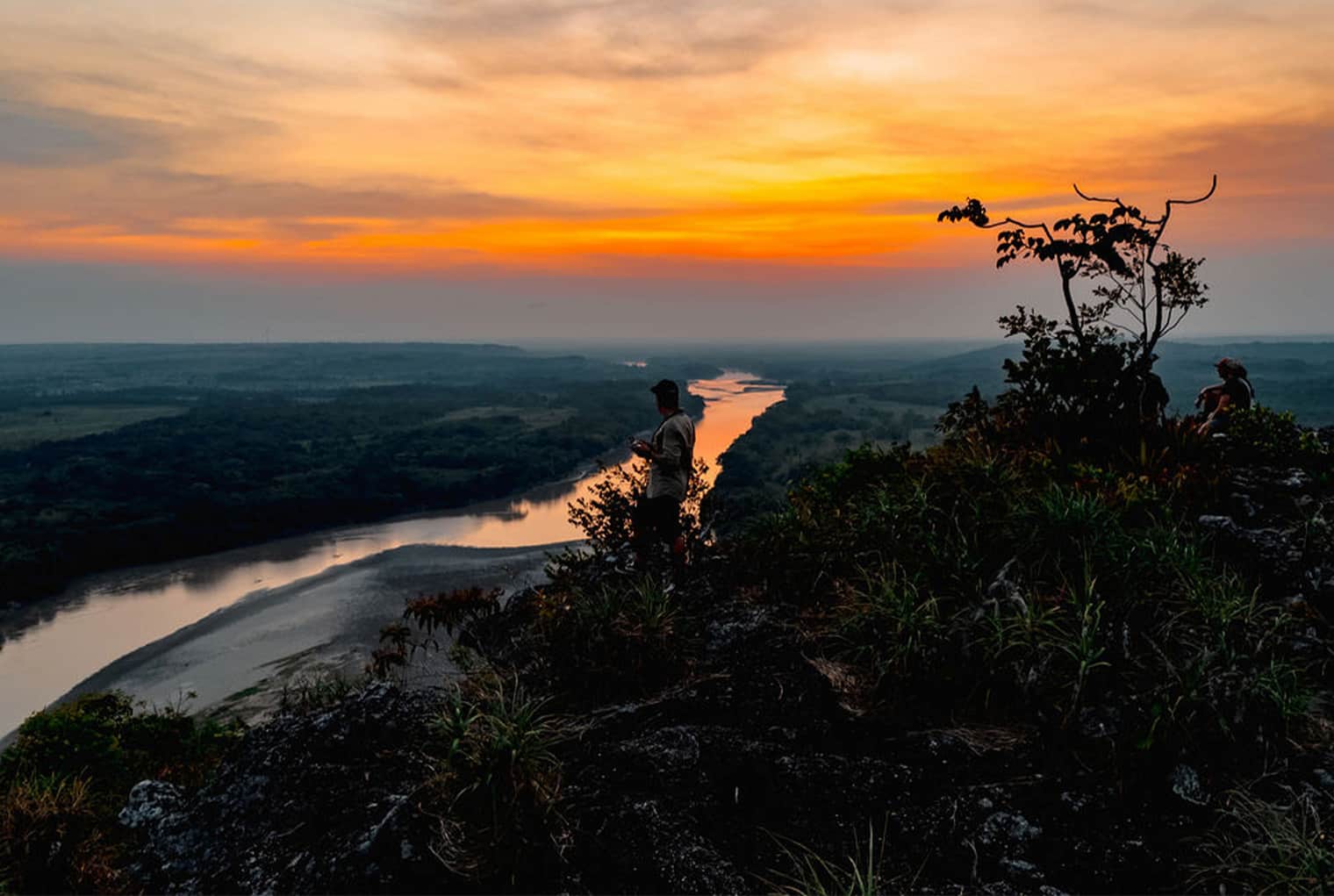
After a day on the trails of Caño Cristales, we climb out of the jungle to catch the last of the light. No crowds, no noise — it's the kind of quiet that makes you understand why this corner of Colombia stayed hidden for so long.
.jpg)
A vast savanna where rivers cut through the grassland and the sky stretches endlessly to the horizon. This is the territory of the llaneros — the original horsemen of Colombia, whose culture predates the word cowboy by a century and whose music, the joropo, has been declared UNESCO Intangible Cultural Heritage.
In the heart of the plains. Open, simple, authentic, and connected to Llanero life in a way that is authentic at its core.
.jpg)
.jpg)
The llaneros have worked this land the same way since the 1600s. Their relationship to it is not picturesque — it is functional, generational, and still entirely alive. Listen to their stories on horseback, while they sing to their livestock to get them to move in unison.
.jpg)
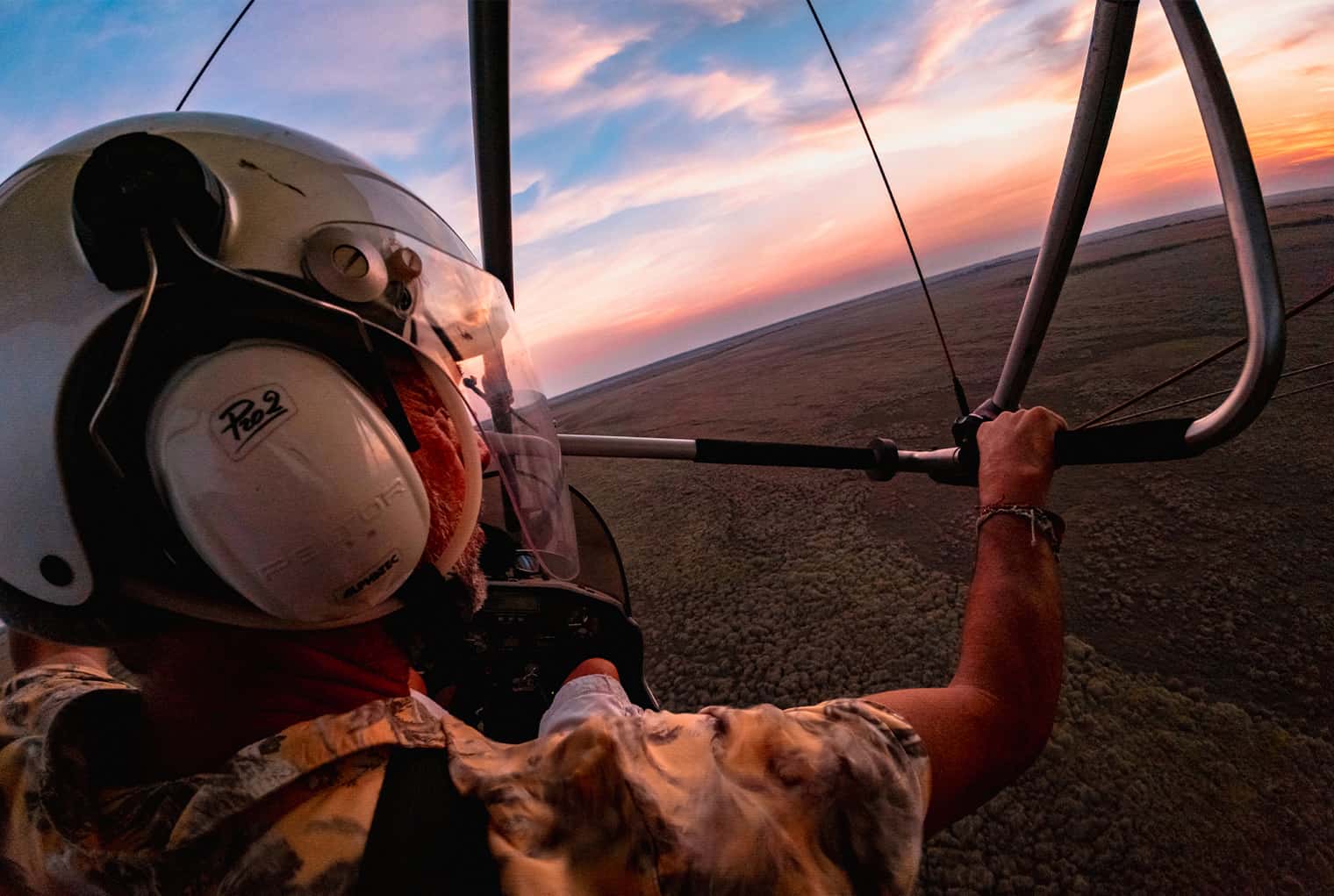
At low altitude over the infinite landscape. Here, the scale of the ecosystem reveals itself in a way no road or trail can manage. Winding waterways, hundreds of capybaras and rich grasslands abound.
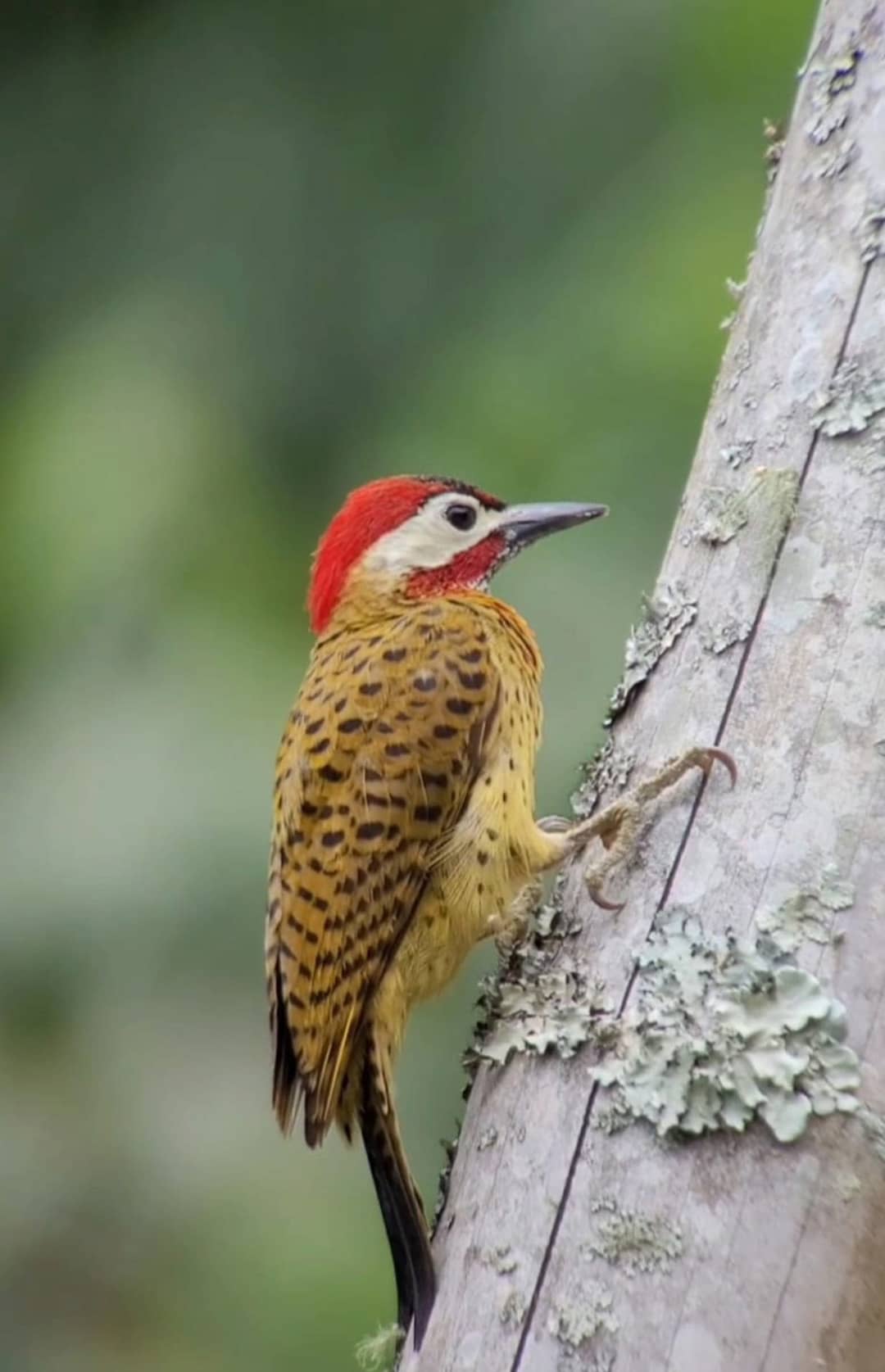
Join an early-morning walk to search for rare native birds or kayak upriver to fish the narrow canyons for piranha.
.jpg)
An evening with a local family; instruments playing, fire ablaze, joropo played the only way it can be — loud, with laughter and light.
.jpg)
A remote island in the western Caribbean, closer to Nicaragua than the mainland. It was claimed by Colombia and has largely been left alone ever since. The water is a mesmeric, iridescent blue, supporting one of the largest coral reefs on Earth. This is how the Caribbean used to be.
.jpg)
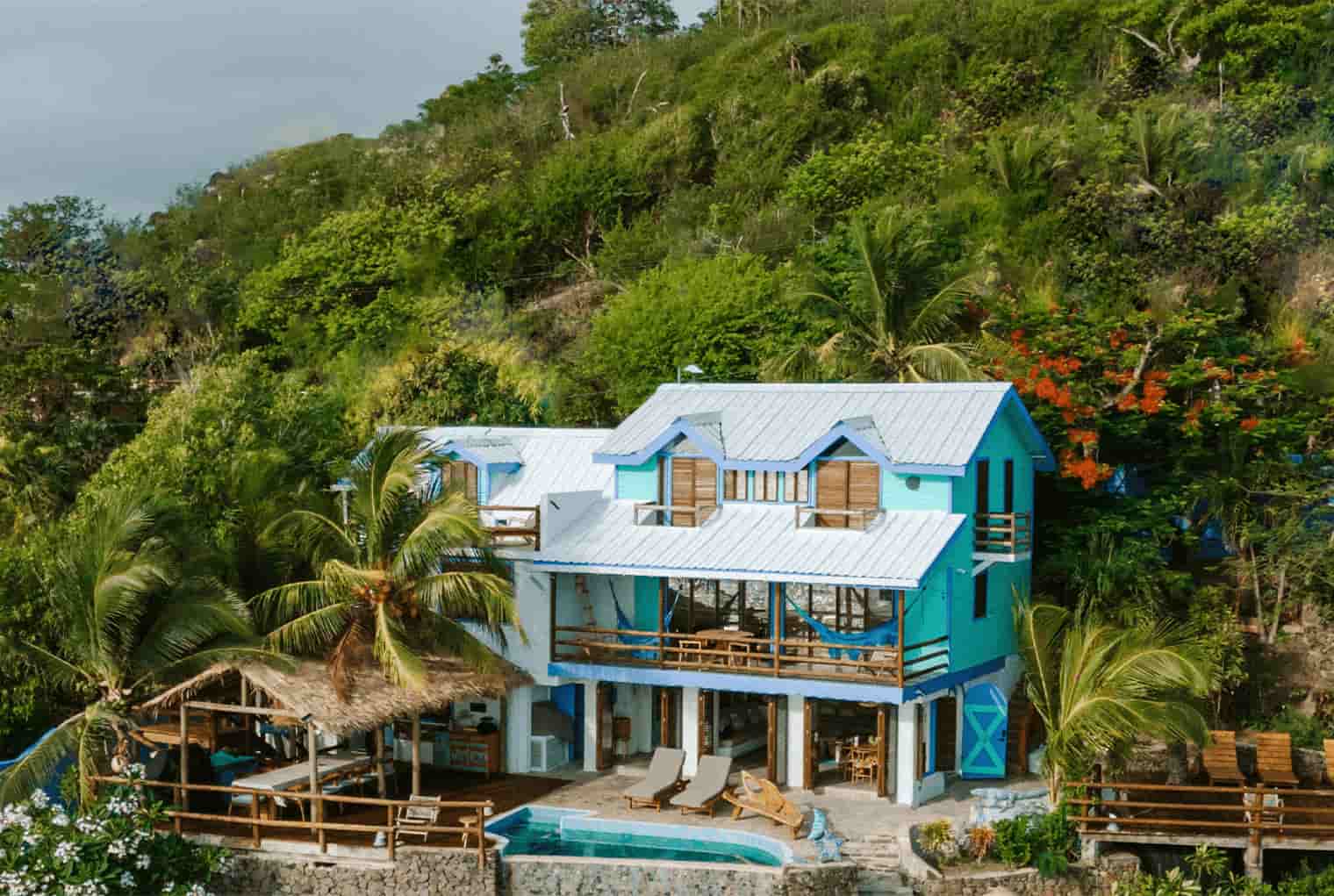
Set just above the shoreline, with a constant sea breeze and open views. It feels remote and quiet. A place to truly relax.
.jpg)
.jpg)
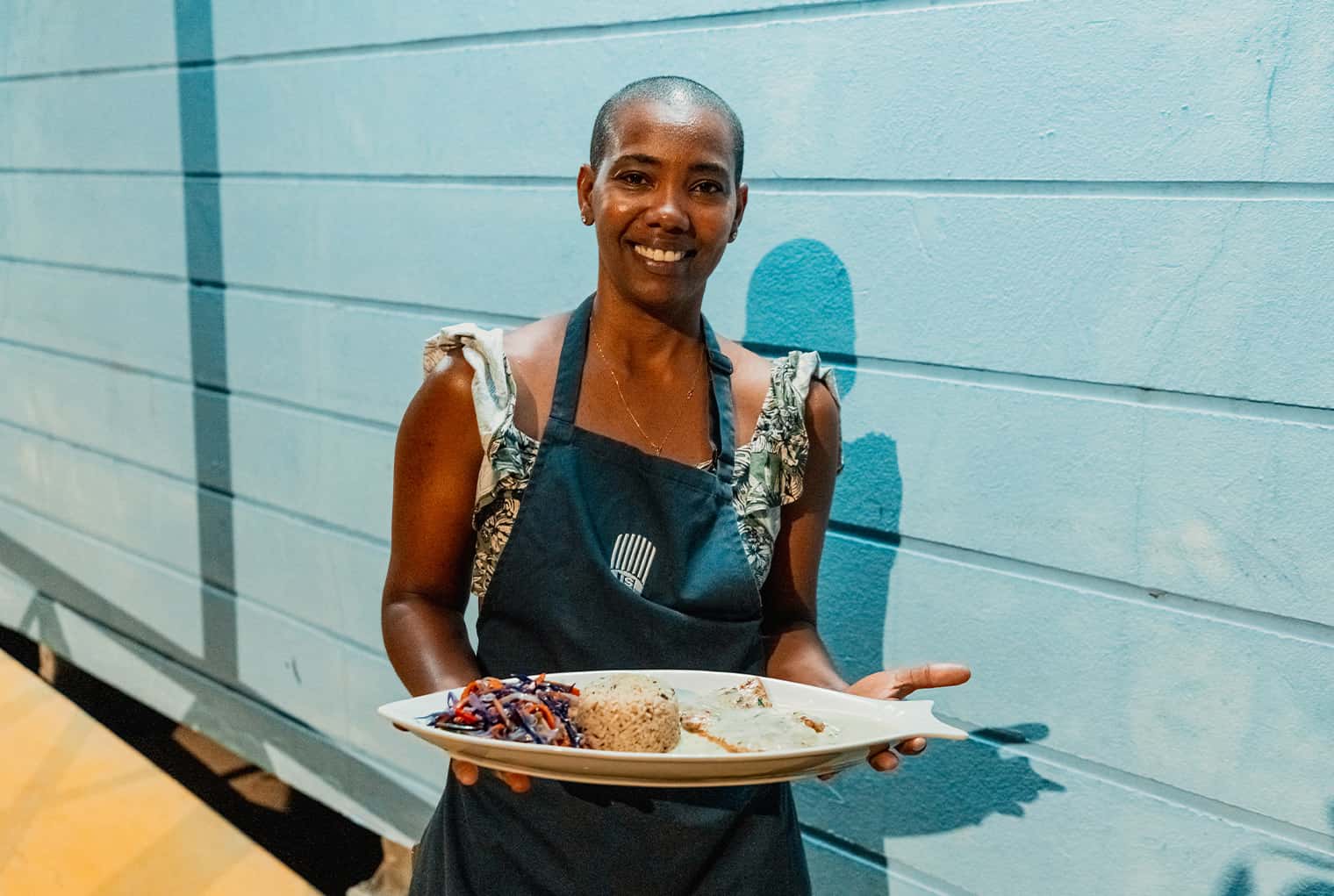
Here, the Afro-Caribbean Creole culture has its own music, cooking, and dialect. We spend an evening with an islander, cooking traditional recipes her mother taught her using fresh-caught ingredients in her own home.
First contact with this surreal blue water sets the scene as we dive amongst a marine ecosystem that is abundant and vibrantly healthy. There are turtles, rays and nurse sharks (nicknamed the ‘puppies of the ocean’) that give you an understanding of the Caribbean of old.
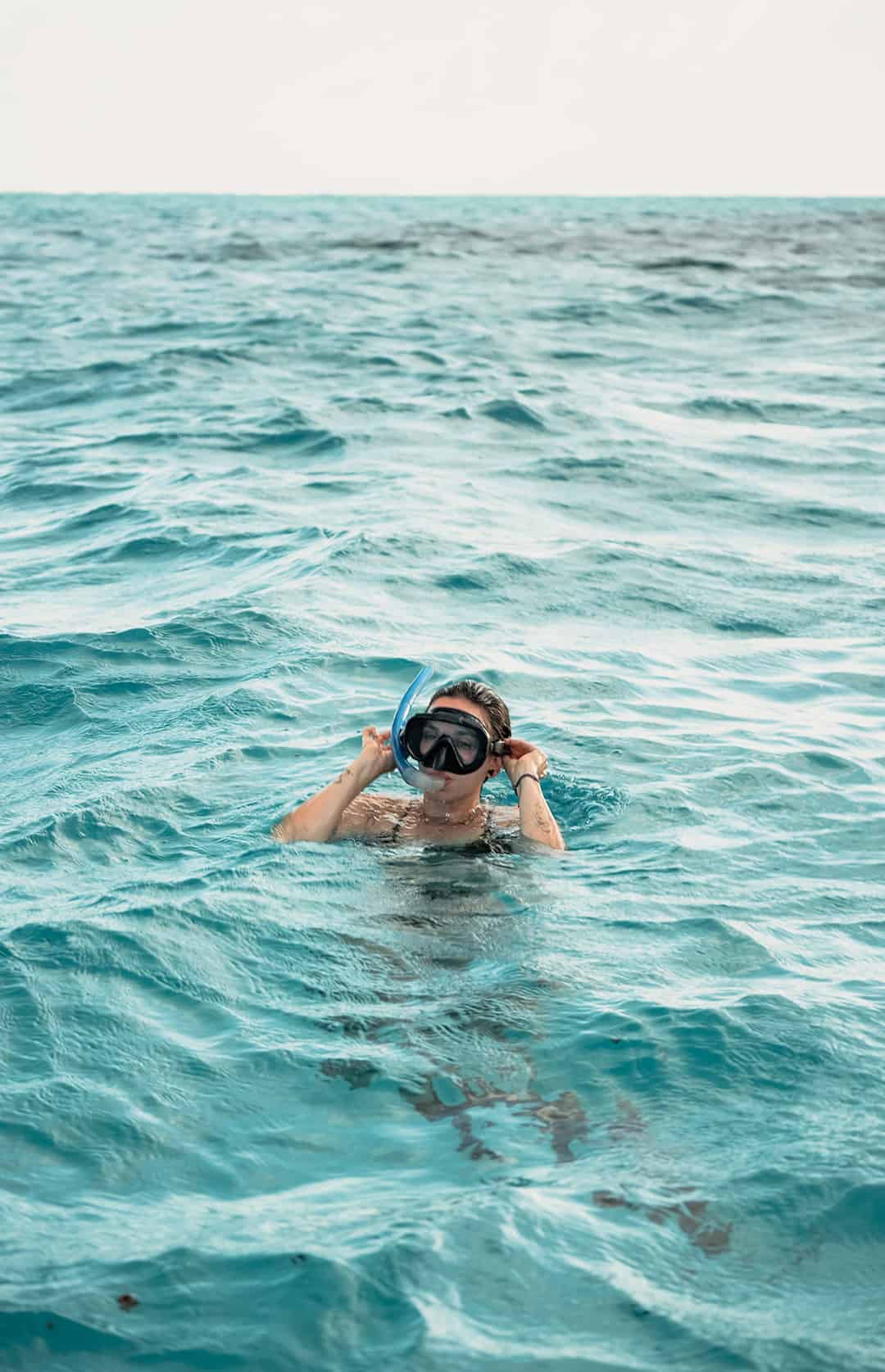
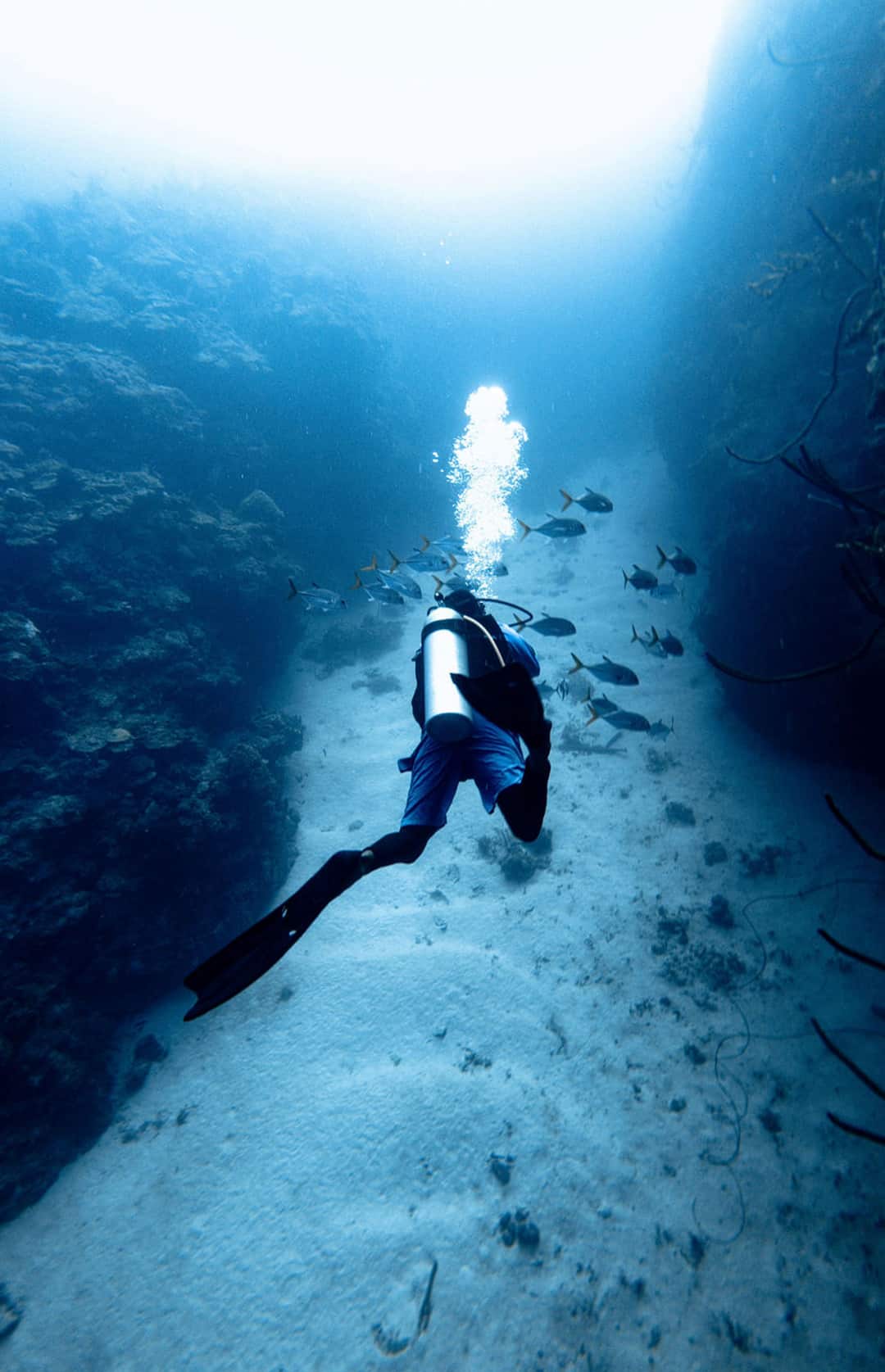
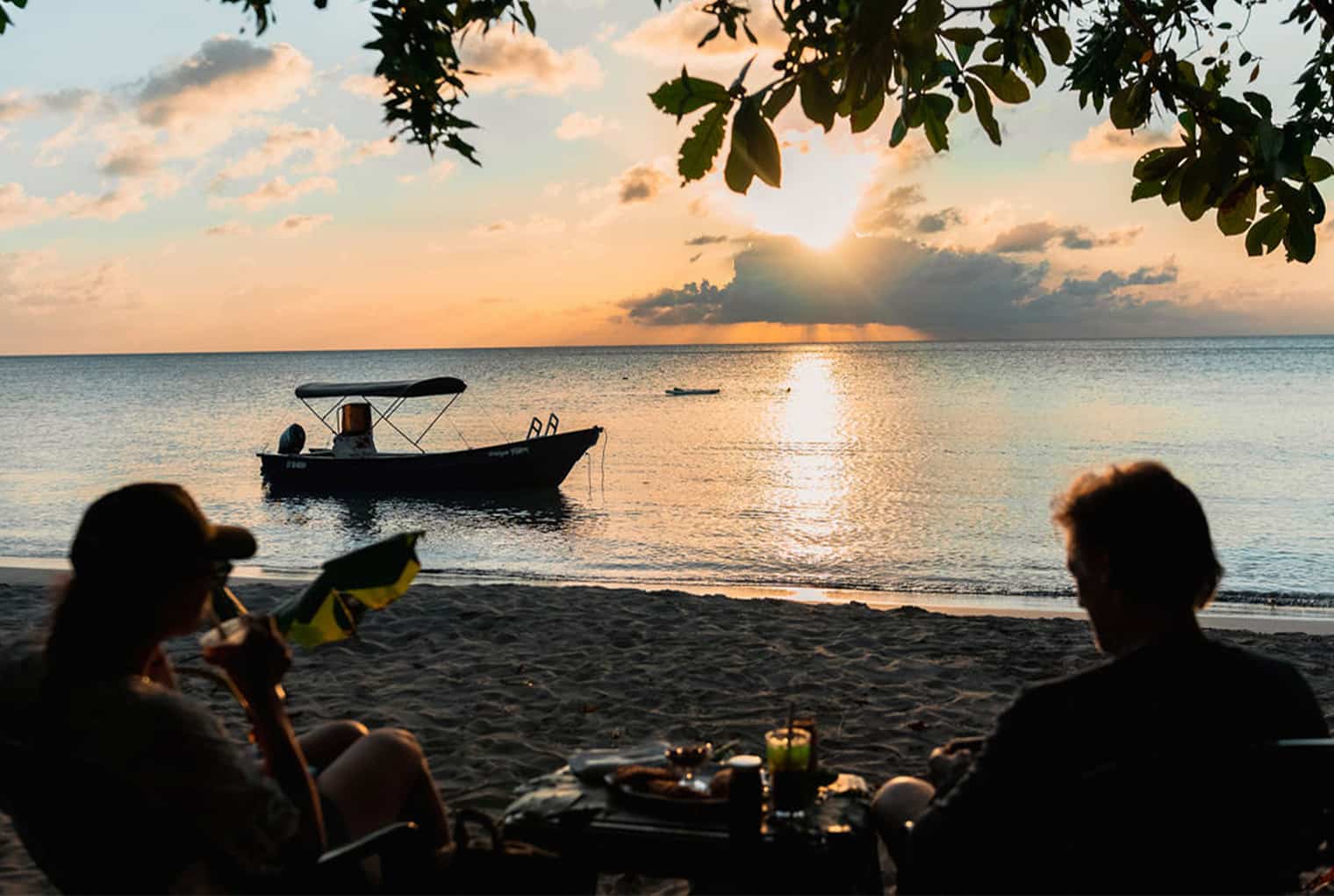
Your guides will teach you how to spearfish, using traditional fishing techniques. Catch your own dinner and grill it over an open fire on the beach, sundowner in hand, soaking up the easy island vibes.
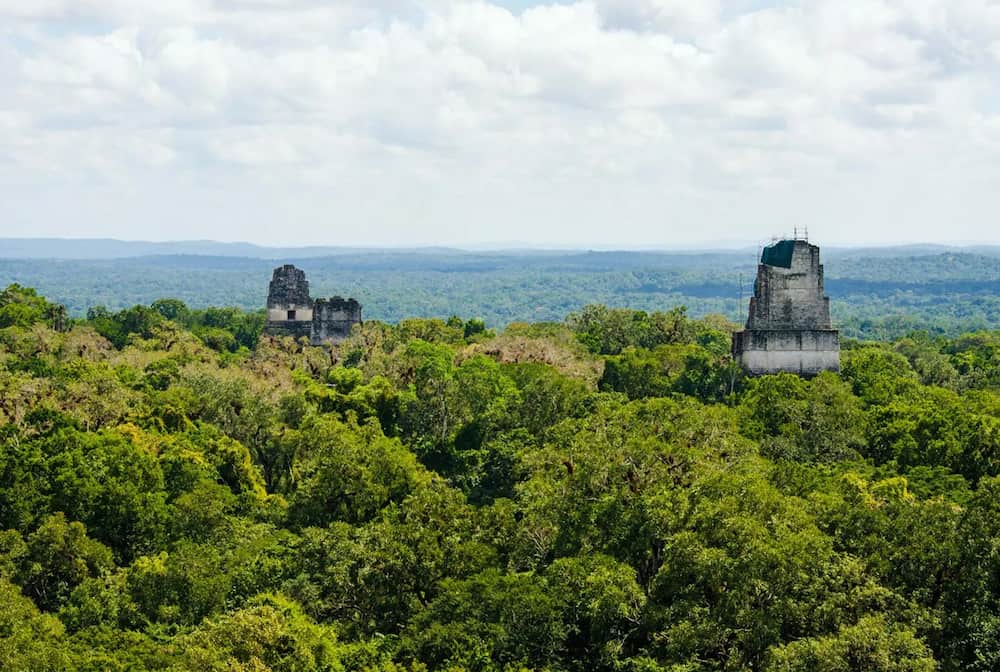
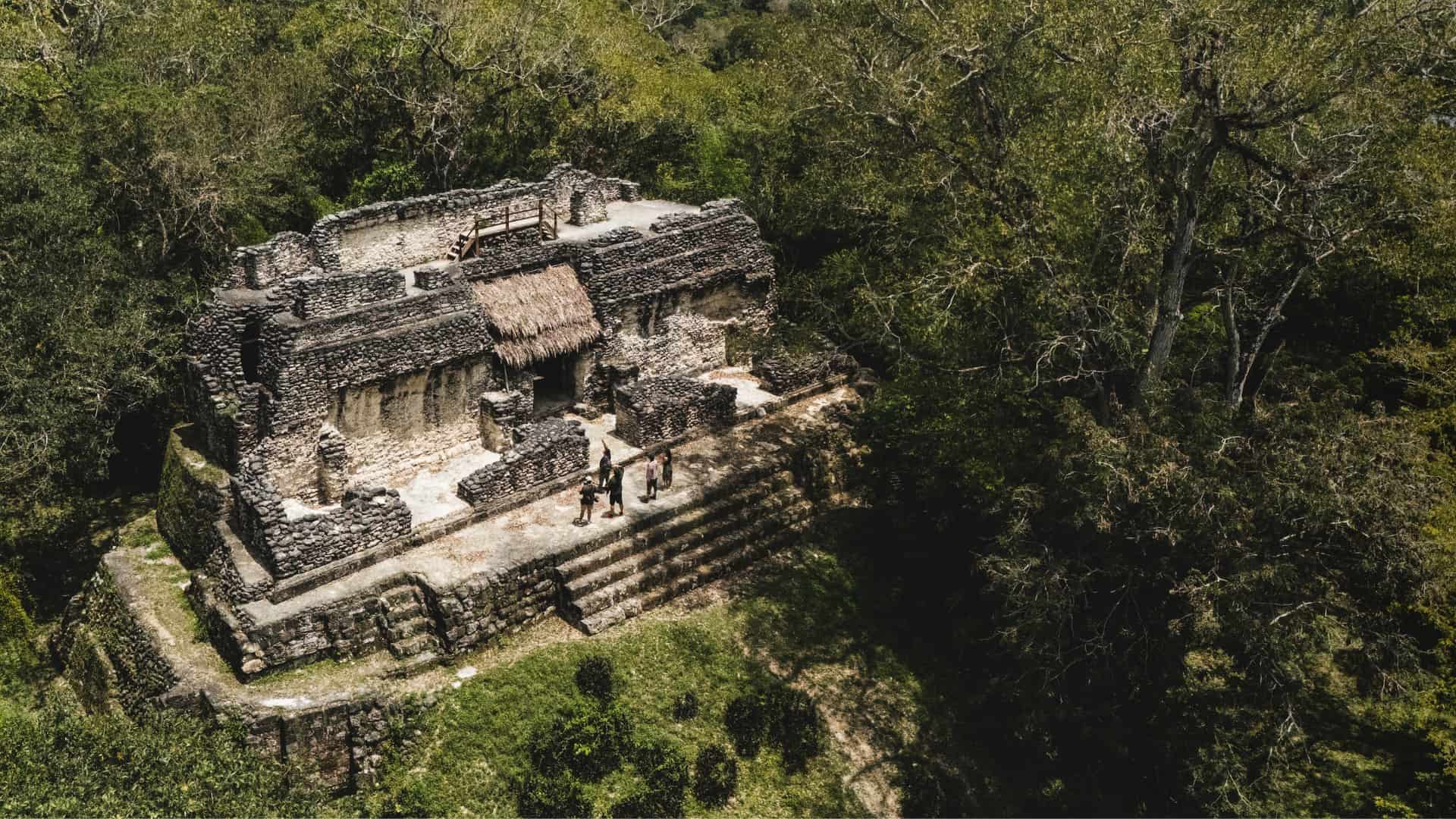
Managed by the local Mayan community that has lived on site for generations, the entire jungle is a UNESCO-protected biosphere. Tikal is one of the largest archaeological sites in the Americas, so intriguing that it was used as a filming location for Star Wars in 1977. Uaxactún, twenty-three kilometres further into the jungle, is older, rawer, and almost entirely unexcavated.
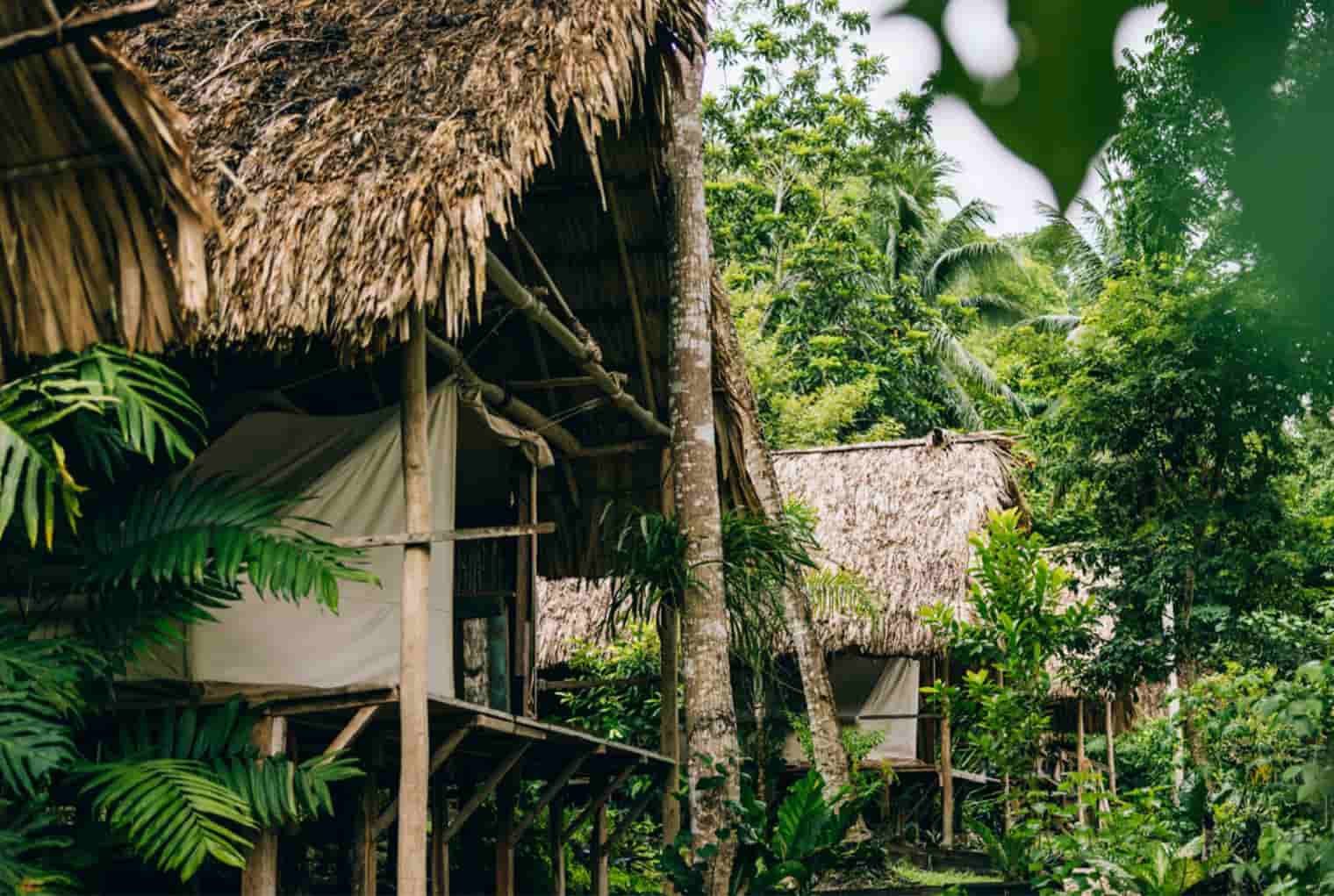
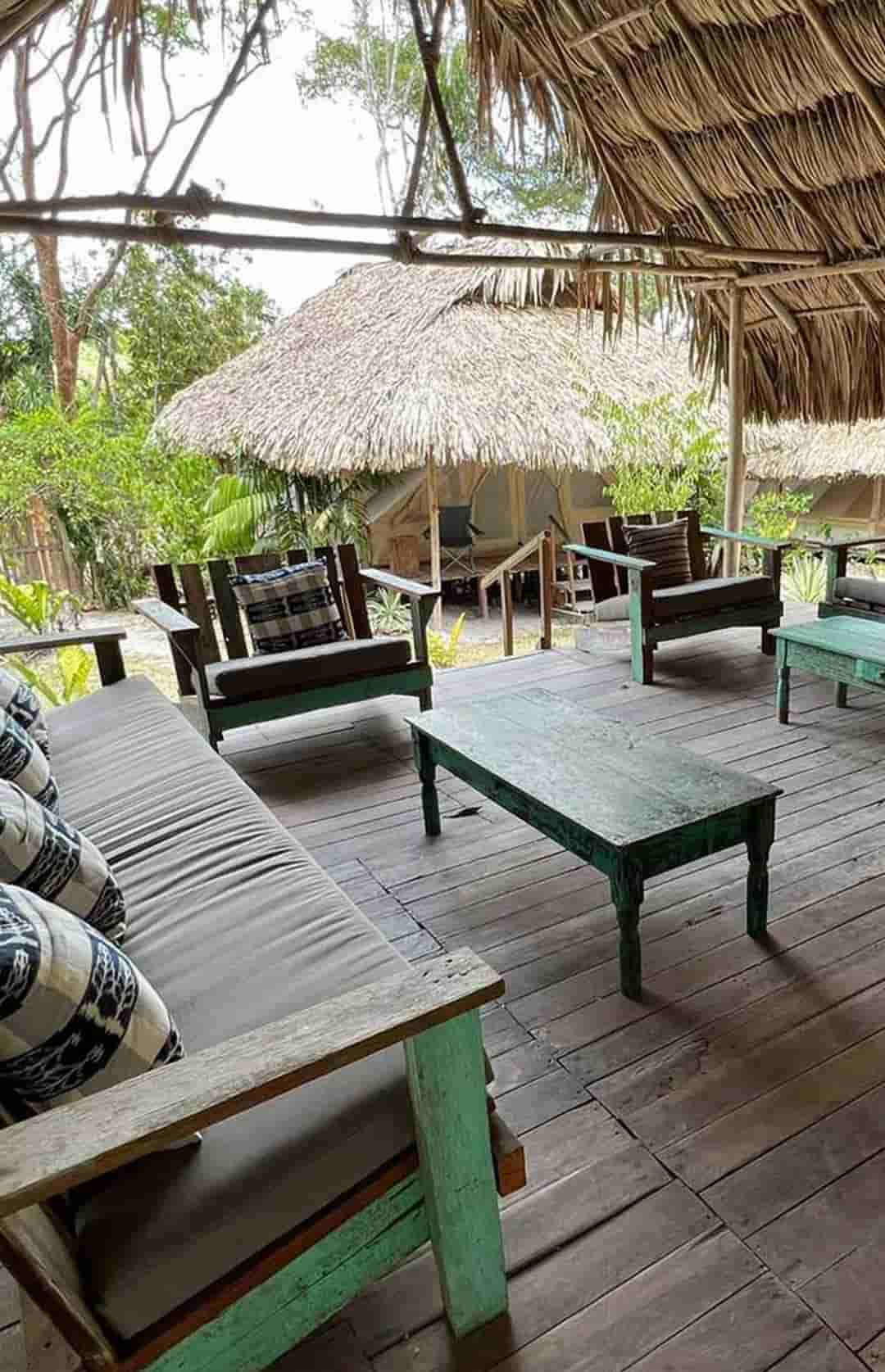
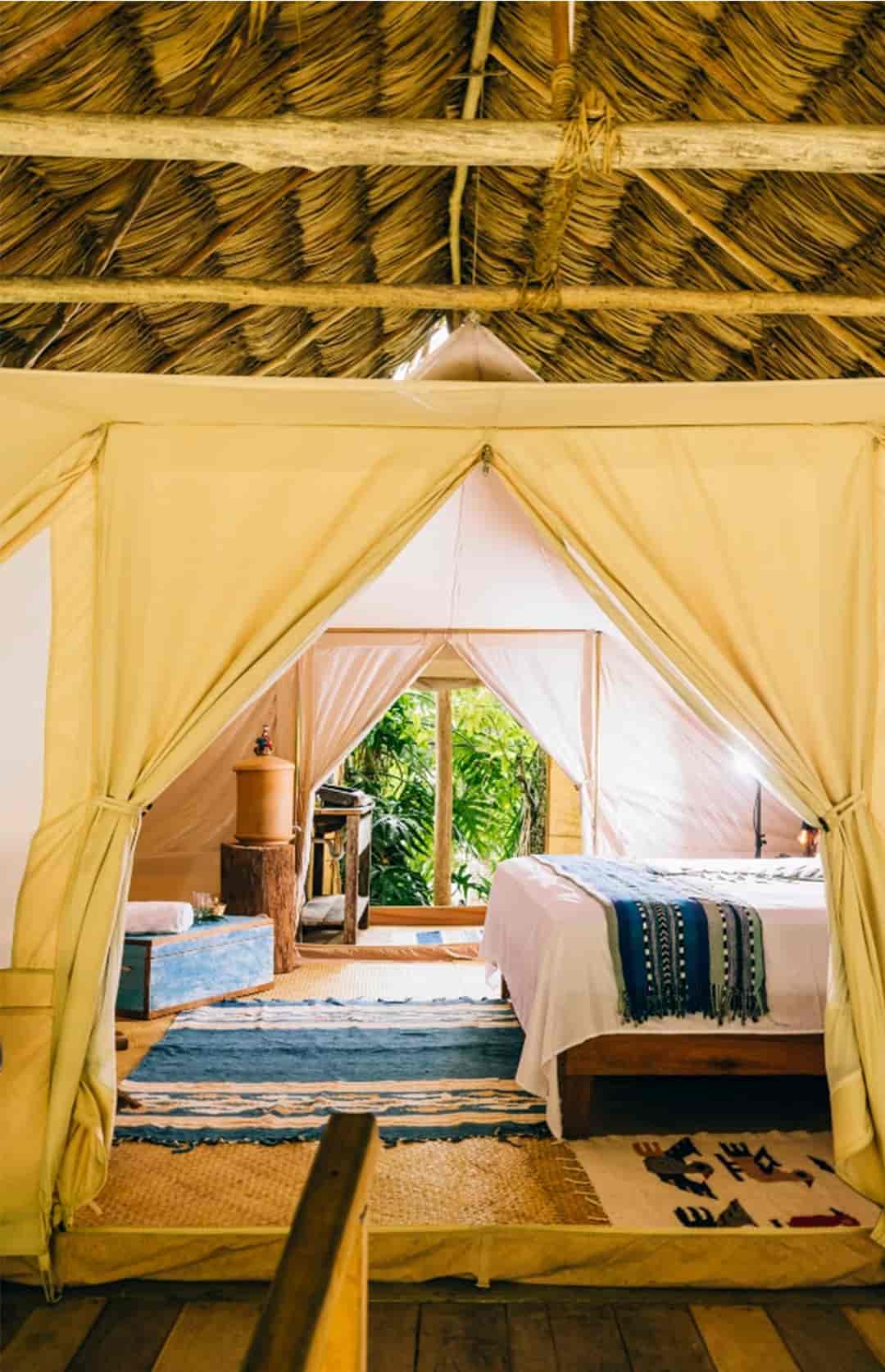
An exclusive camp, built by the locals, and set within a living Mayan community. Fire, stars, local cooking.
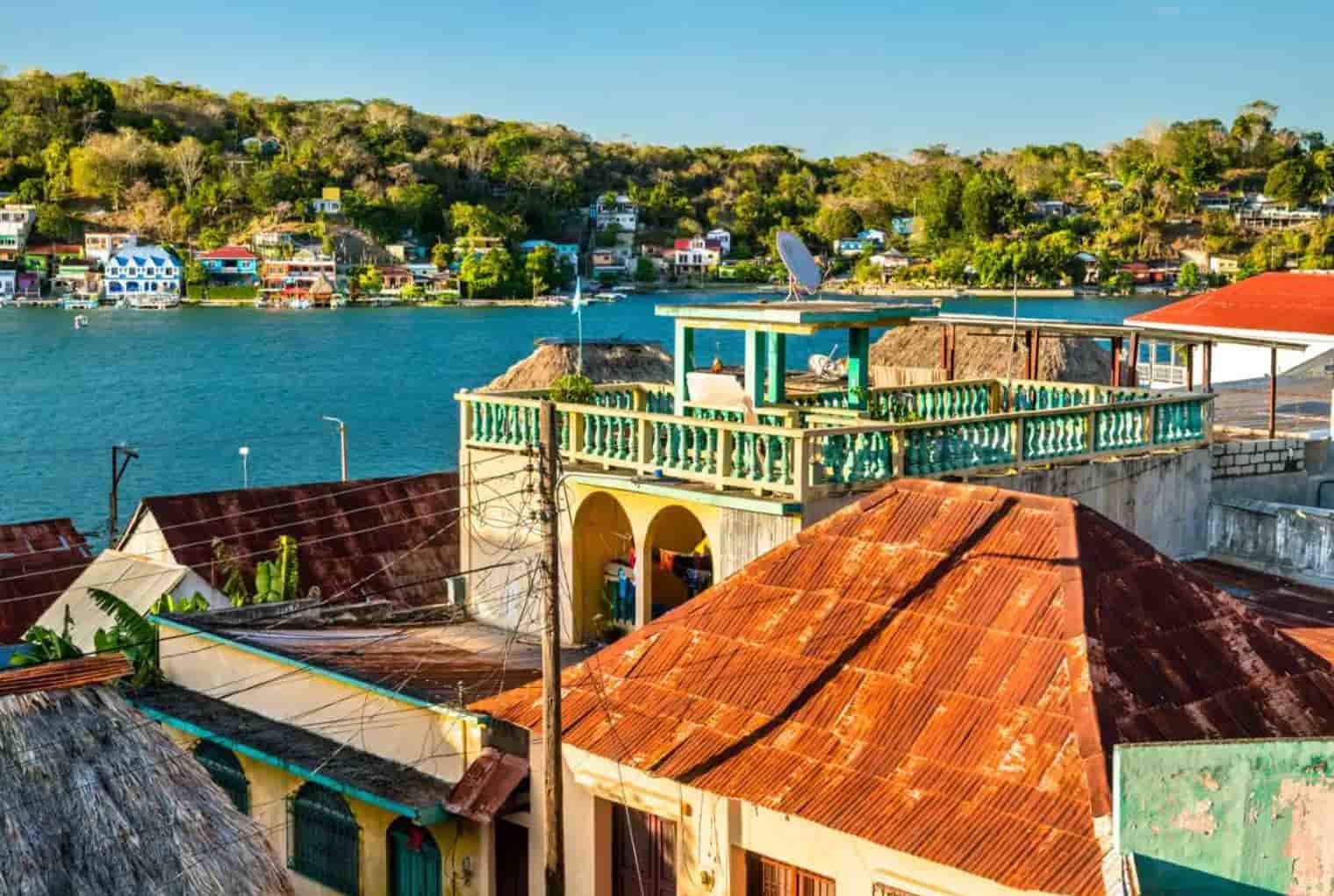
Arriving in Flores, you will enjoy lunch by Lake Petén Itzá in the small island town. A gentle arrival before the jungle claims the next few days.
See the jungle from above as you enjoy your dinner. From here, you take a scenic bike ride to camp through the darkening forest. Open fires, local food, and a Mayan spiritual guide await your arrival.
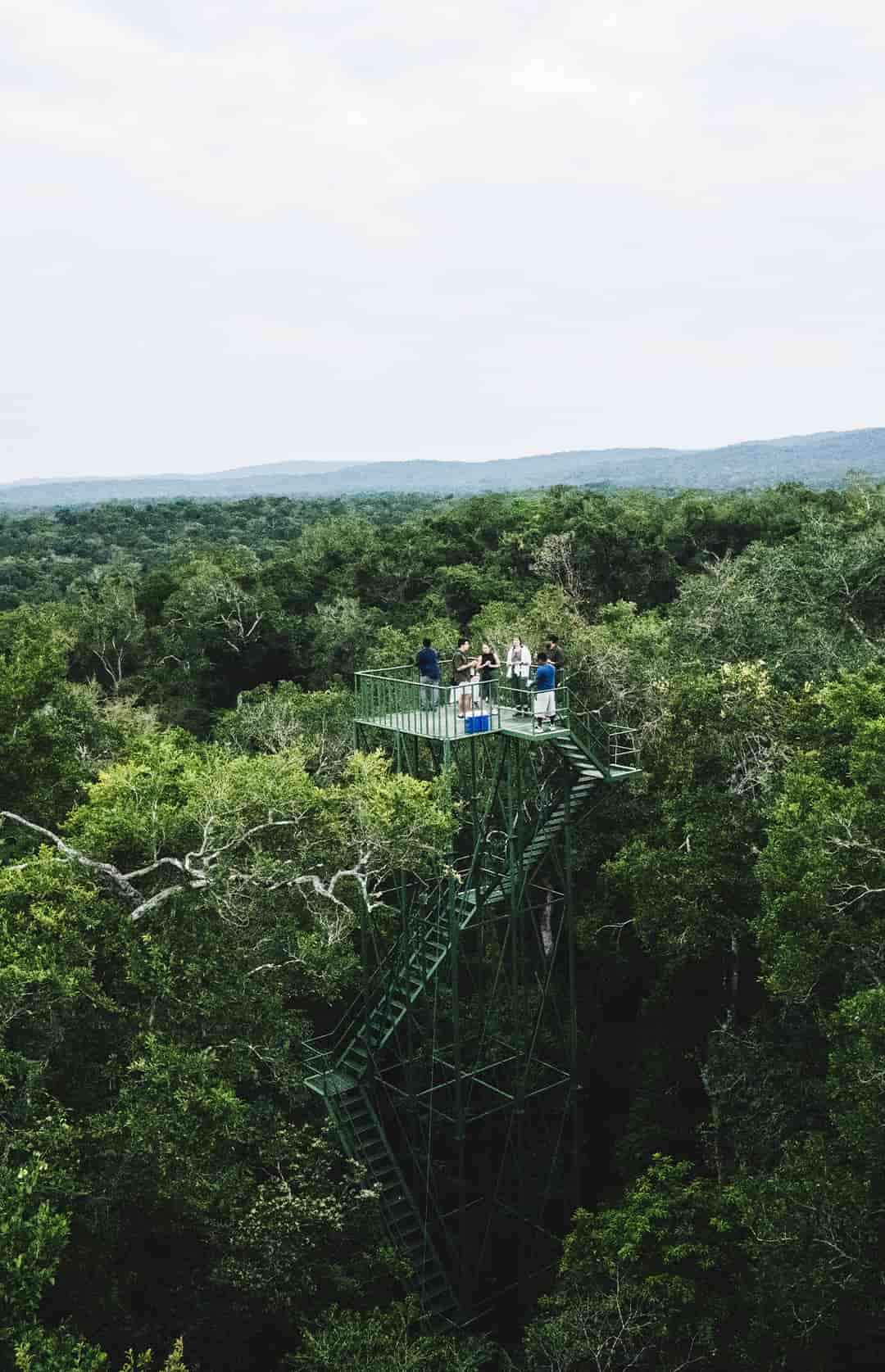
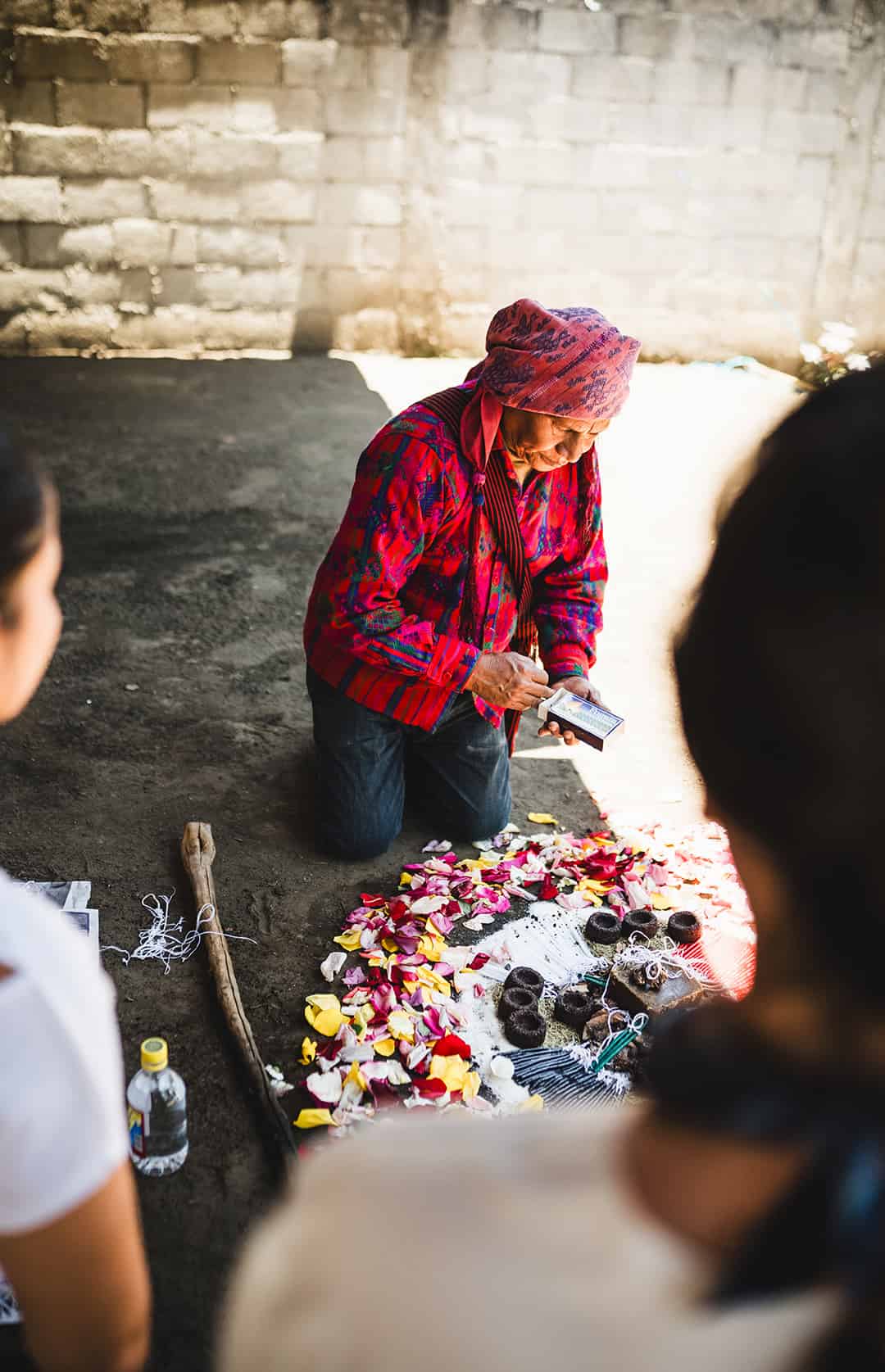
Explore the temples in silence, guided by a Mayan archaeologist. The quiet at Tikal before the day begins is a travel experience that can’t translate into video or photographs.
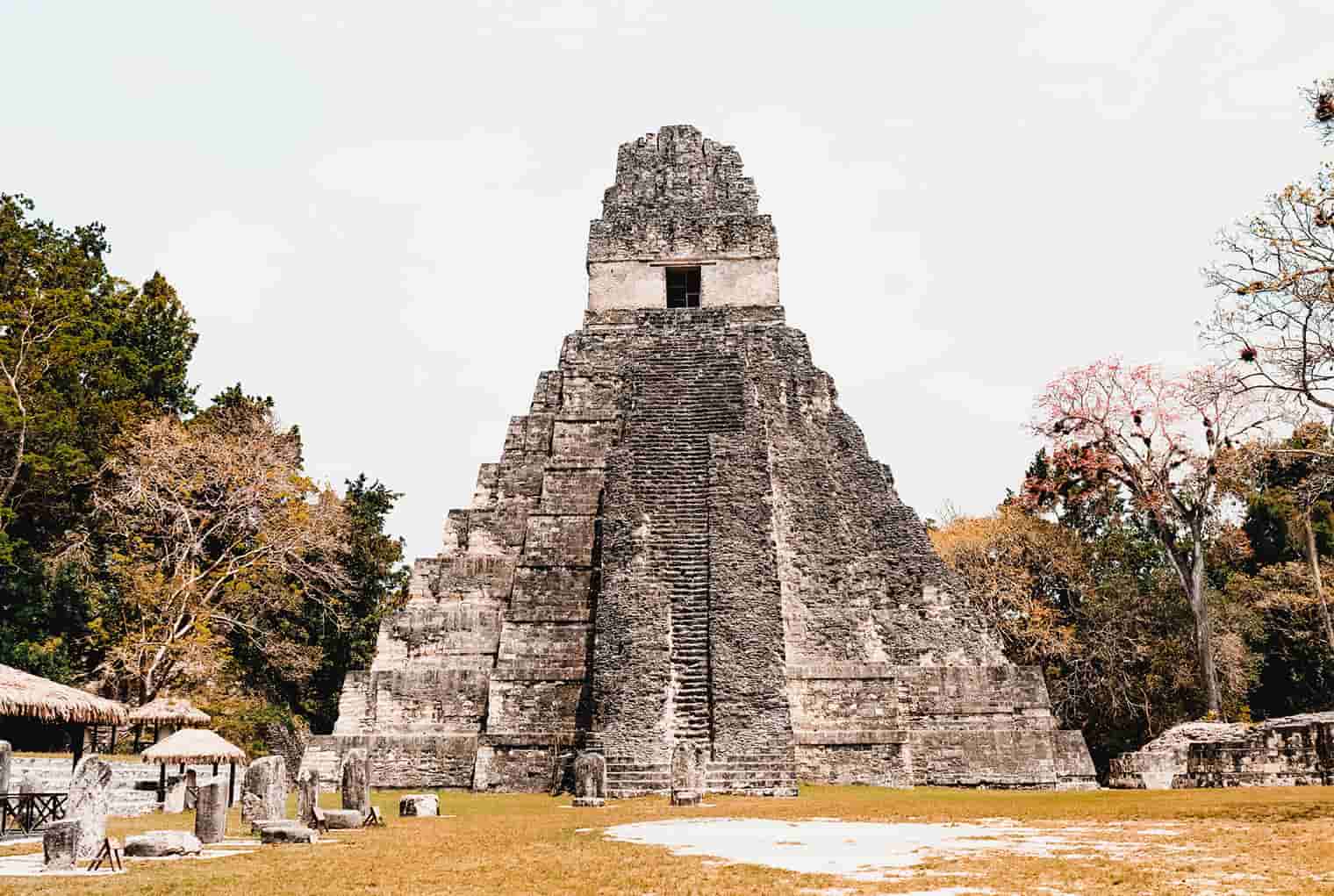
Twenty-three kilometres into the jungle is Uaxactún. Older than Tikal, rawer, and almost entirely unexcavated. Living alongside is the local Maya community and the Chicleros: jungle harvesters who extracted the natural chicle that supplied the world's chewing gum industry from the 1880s until synthetic gum replaced it in the 1940s. They still work in the forest today.
.jpg)
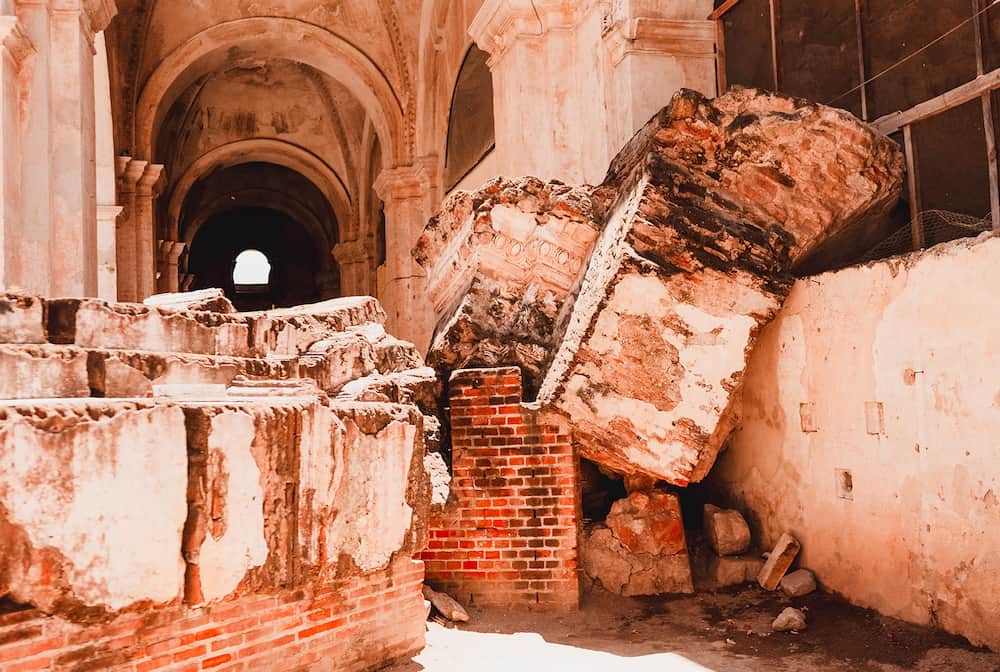
Founded in 1543, devastated by an earthquake in 1773, and rebuilt around its own ruins, Antigua is a colonial city that wears its damage openly. The cobblestones, walls and faded ochre facades are cut from volcanic stone. With three active volcanoes surrounding the city, you will hear and see eruptions on average every fifteen minutes.
.jpg)
A restored colonial house in the heart of the city, beside the ruins of the Las Carmelitas convent. Refined, intimate, and the perfect starting point to explore the rest of the city.
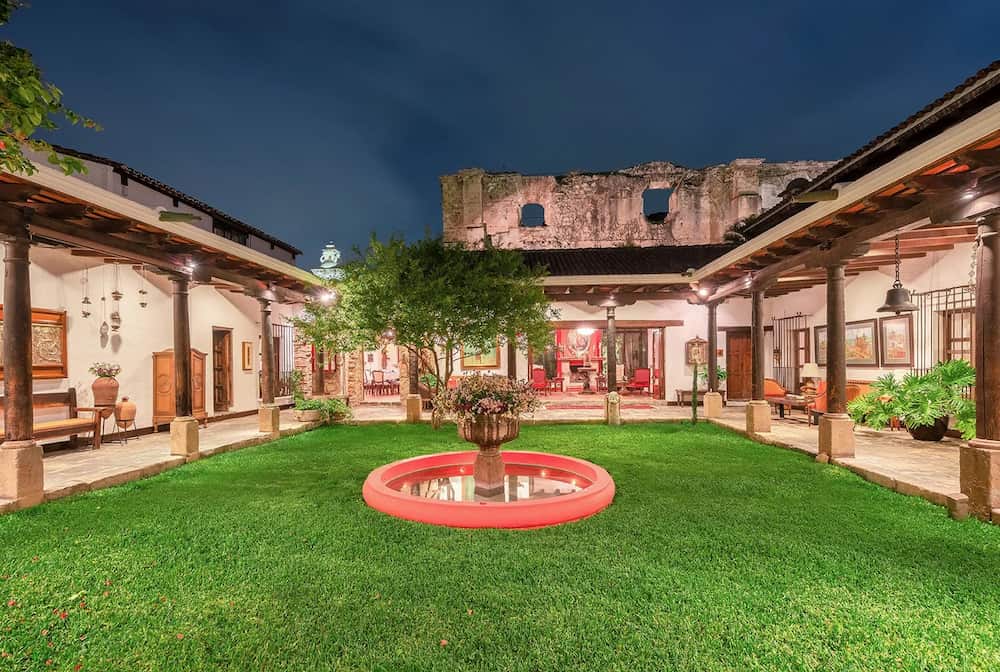
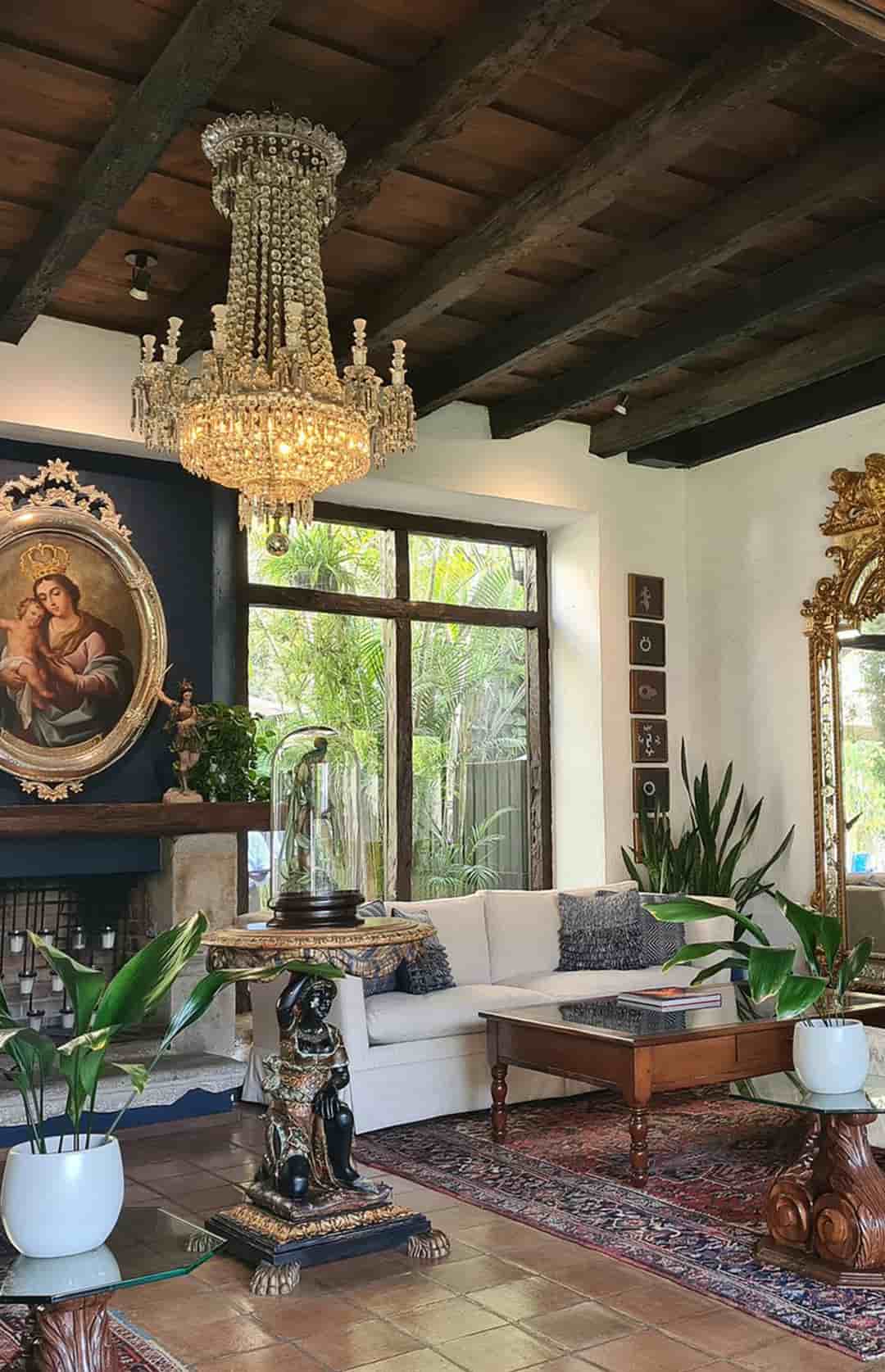
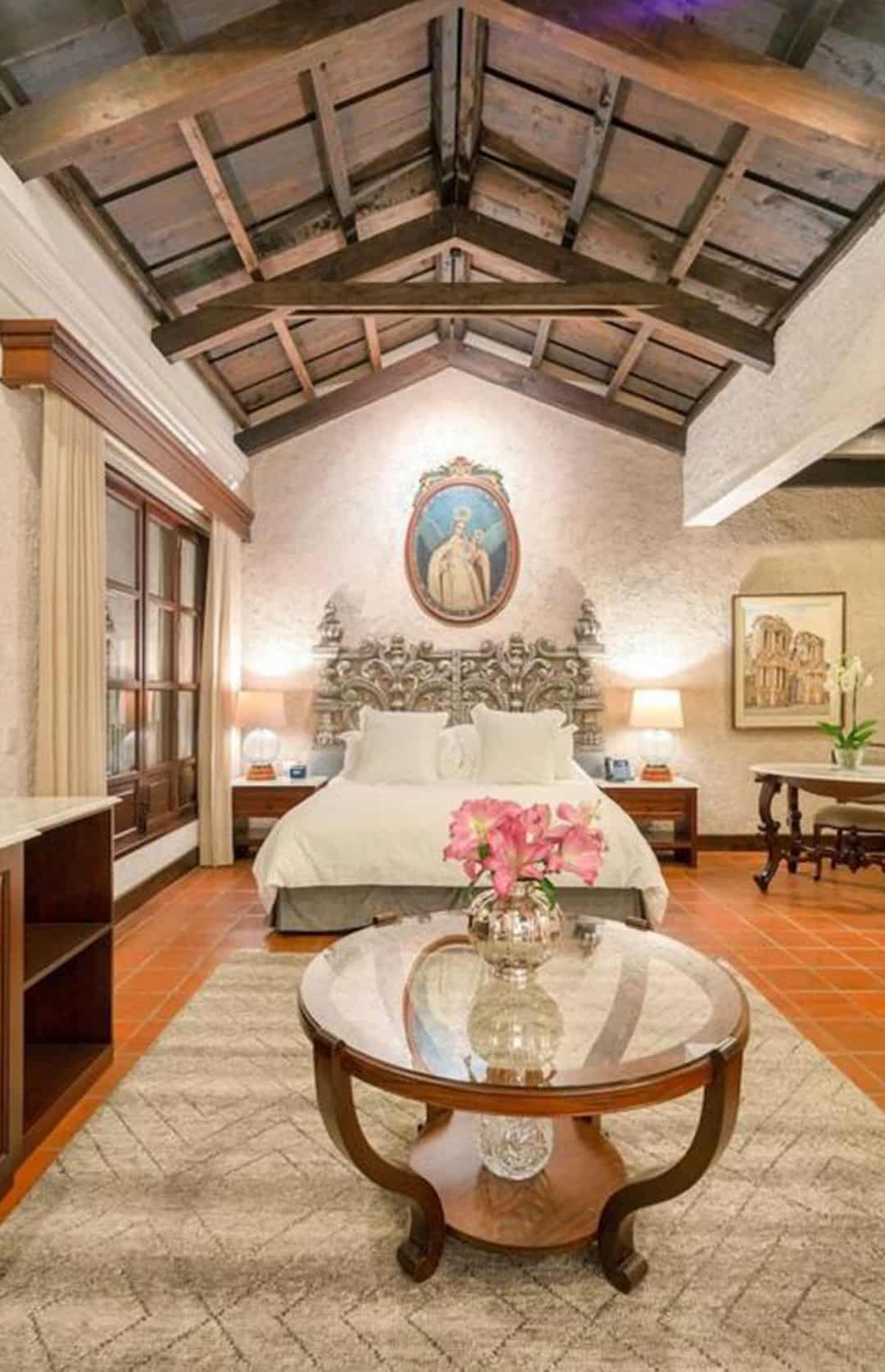
A private lunch inside a roofless 18th-century building — open sky, traditional food.
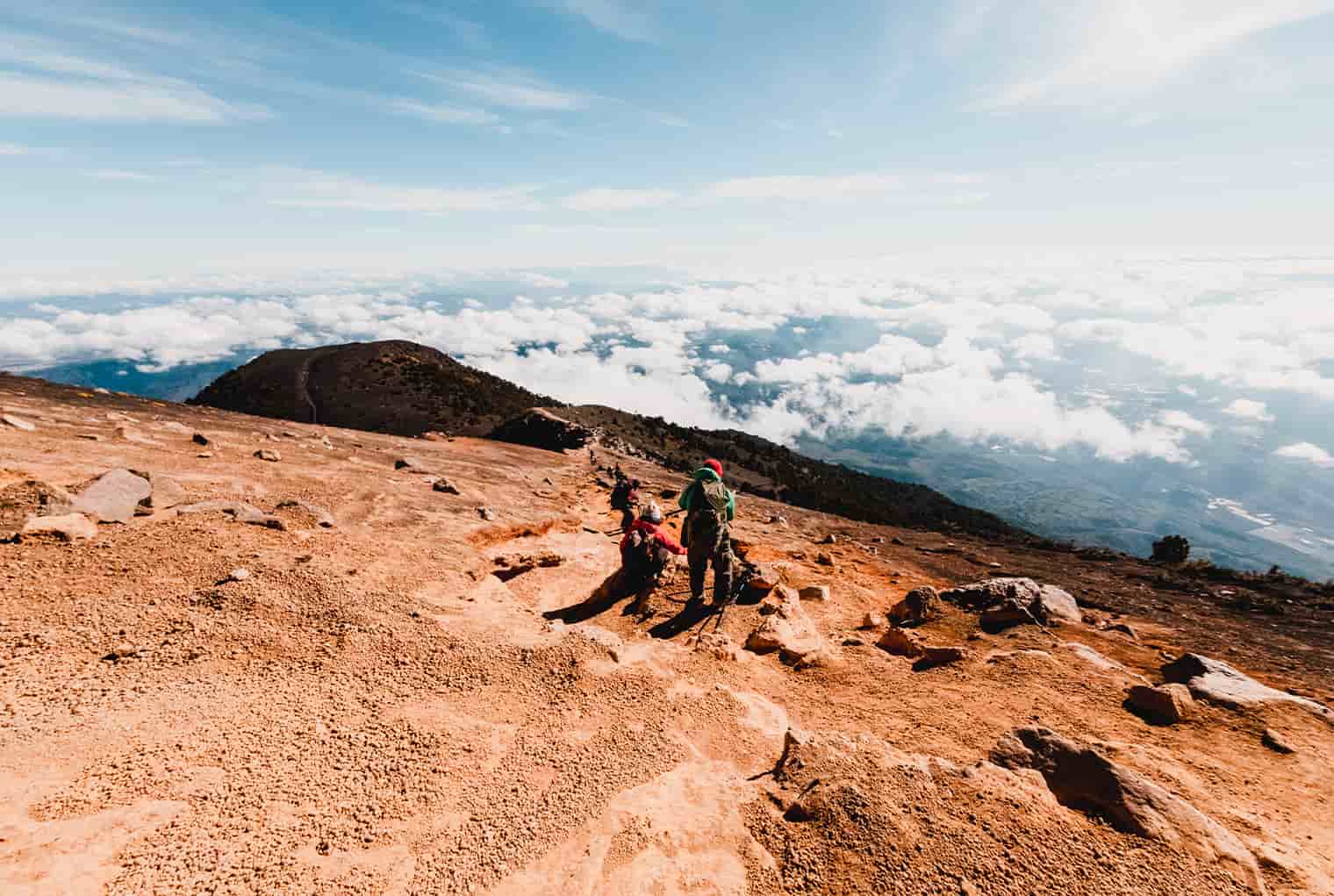
Walking on black volcanic ground at 2,552 metres. The ascent takes roughly two hours to cross approximately 3–4km. The summit provides clear views of Volcán de Agua and the still-smoking cone of Volcán de Fuego.
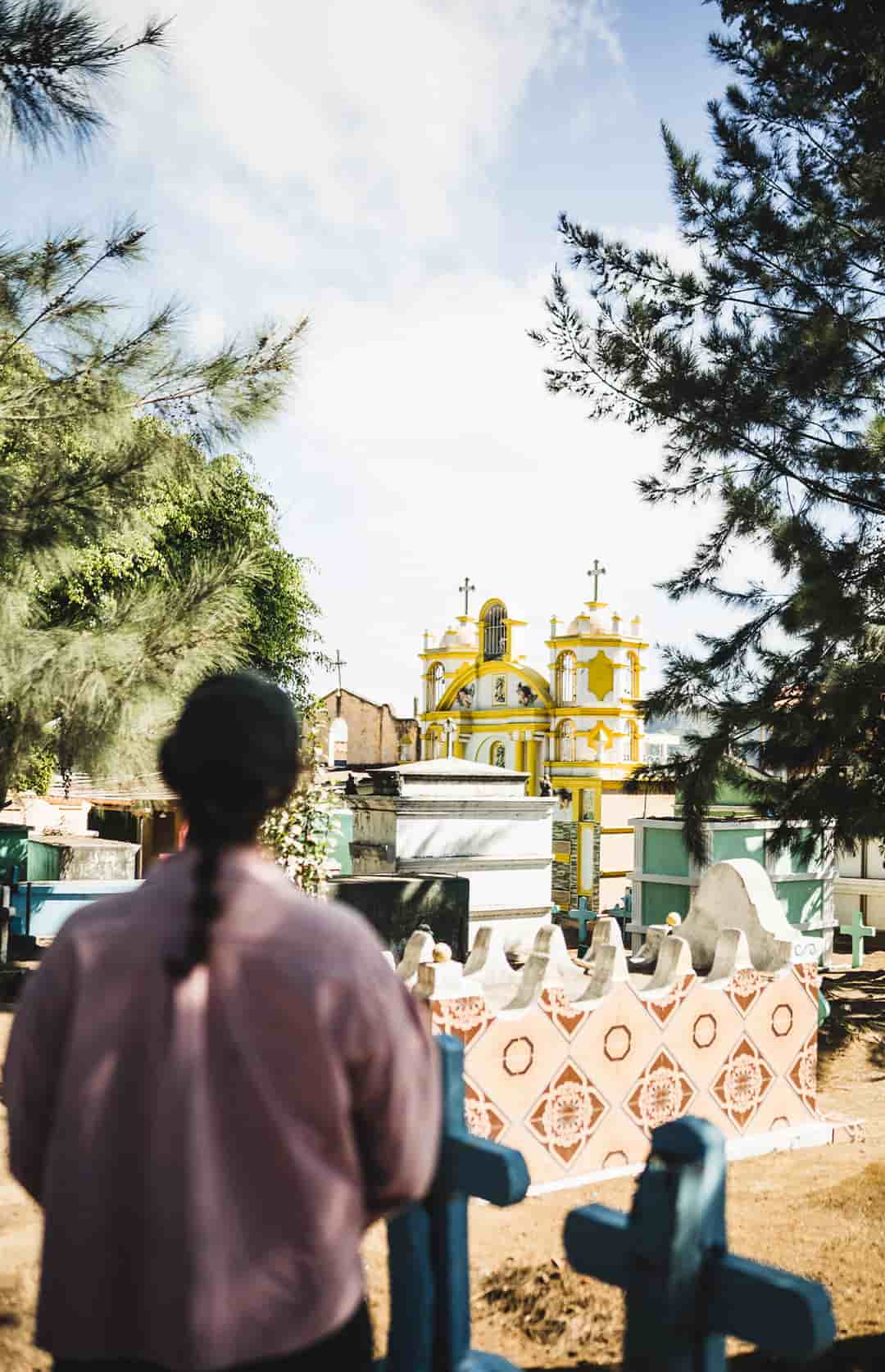
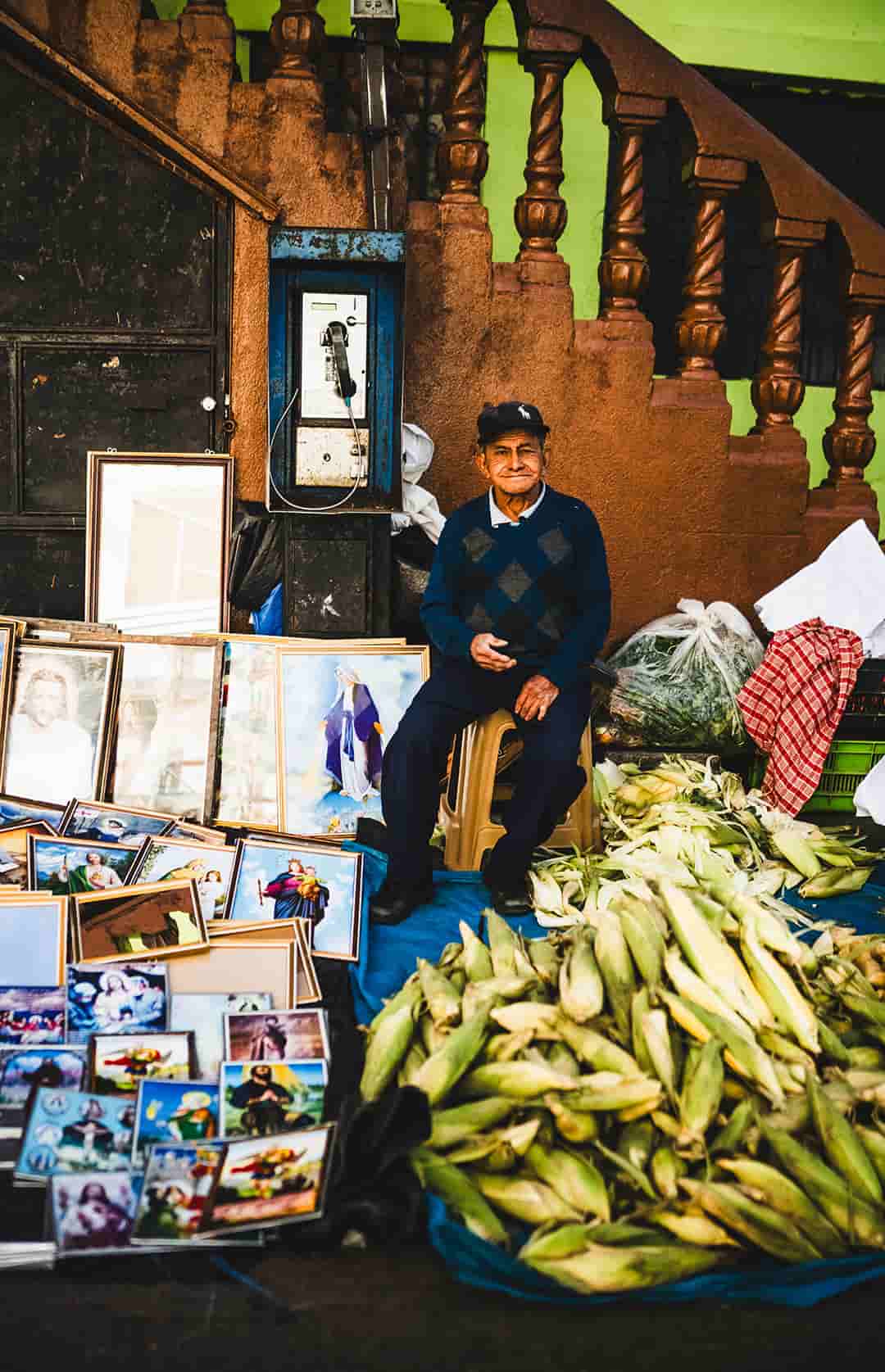
A bustling market adjoins a mixed cemetery where Catholic and Mayan burial traditions sit side by side without explanation or apology.
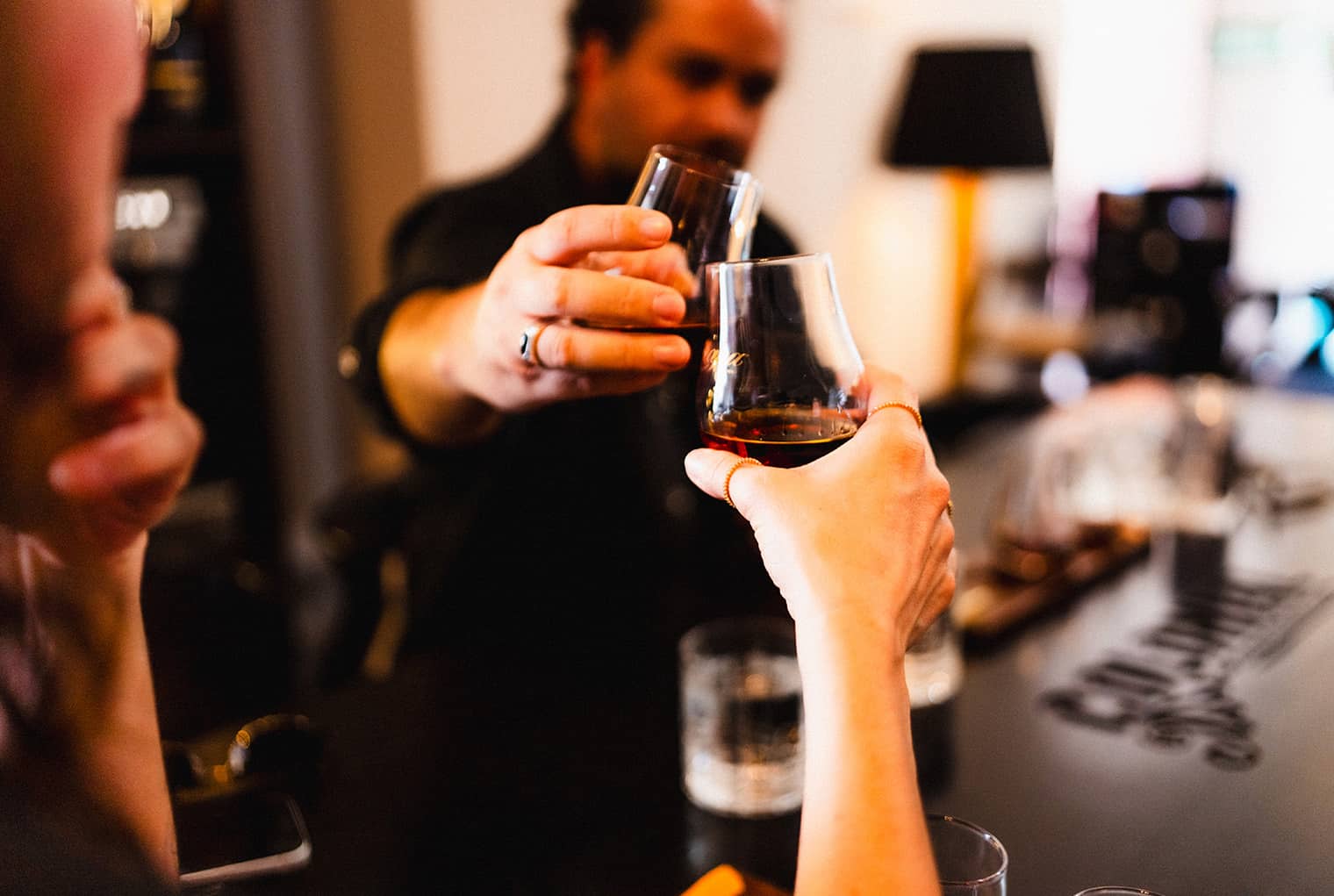
Guatemala's own ultra-premium rum is aged using the solera method at an altitude of 2,300 metres in the mountains above the city. It regularly appears on lists alongside spirits costing three times its price. A slow, considered exploration of something made with genuine craft, in a country most people associate with coffee.